



Can I Sue a Hospital for Slip and Fall Injuries?


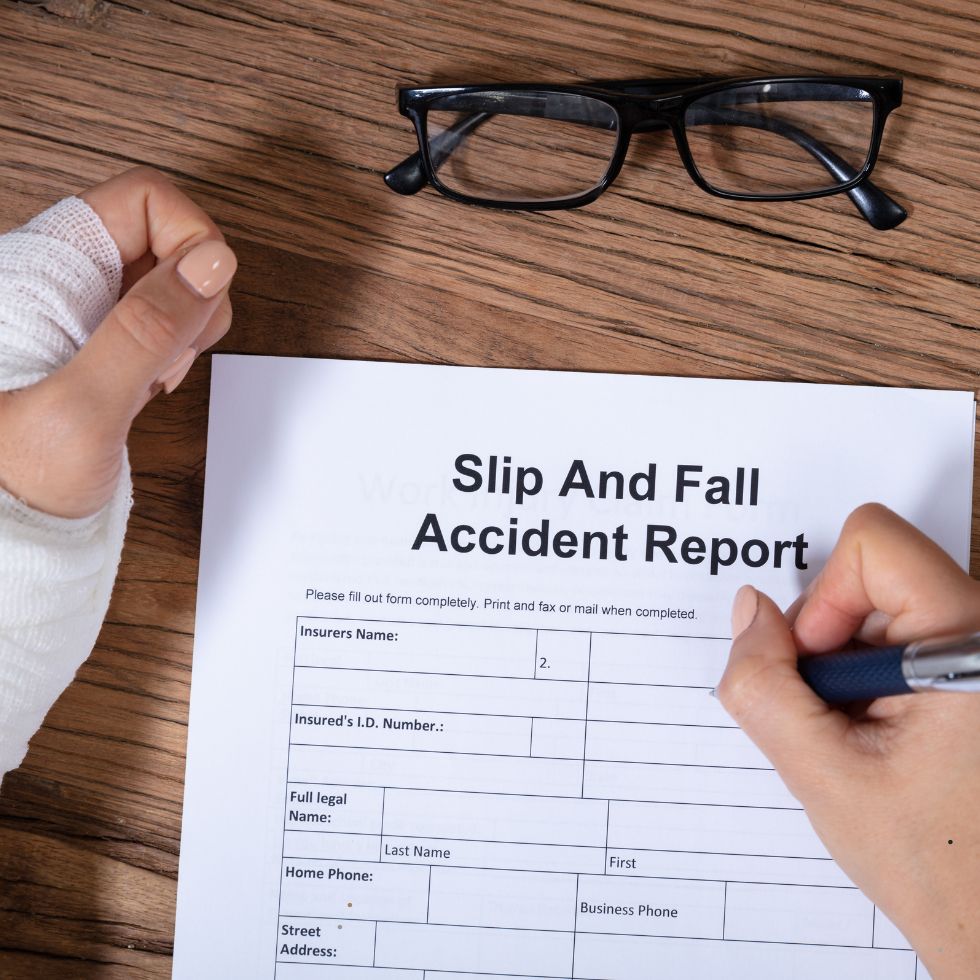
Hospitals are expected to be safe environments where patients, visitors, and staff receive care without unnecessary risks. However, accidents can still happen.
Wet floors, cluttered hallways, poor lighting, and other hazards may lead to serious injuries. When these accidents occur, many people wonder: Can I sue a hospital for slip and fall injuries?
It can be yes, but it depends on the situation. The hospital’s negligence may entitle the injured person to compensation for the accident. Though proving liability in these cases may be more complicated than a typical premises liability claim.
This guide explains when you may be able to sue a hospital for slip and fall injuries, how liability is determined, and what evidence can support a claim.
Understanding Slip and Fall Accidents in Hospitals
A slip and fall in hospital settings can occur for many reasons. Hospitals experience heavy foot traffic every day, which increases the likelihood of hazards developing throughout the facility.
Common causes of hospital slip and fall accidents include the following:
- Wet or freshly mopped floors
- Liquid spills
- Uneven floors
- Mats on the floor
- Overcrowded hallways
- Bad lighting
- Stairs damaged
- Broken Rails
- Electrical cords strung across walkways
- Ice or snow at entrances
As hospitals serve vulnerable populations, they have a responsibility to take reasonable measures to prevent these hazards from causing injuries.
Can You Sue a Hospital for a Slip and Fall?
In many situations, the answer is yes. By law, hospitals must keep the premises in a reasonably safe condition for patients, visitors, vendors, and others who come onto the property. If a hospital fails to fix unsafe conditions or warn people of hazards it knows about, it can be held liable for any injuries.
To successfully sue a hospital for slip and fall injuries, the injured person usually must show that:
- A dangerous condition existed.
- The hospital knew or should have known about the hazard.
- The hospital failed to avoid the hazard or provide adequate warning.
- The hazardous condition caused the fall and resulting injuries.
Just falling in a hospital does not automatically make the facility liable. The central question is whether negligence caused the accident.
Hospital Slip and Fall Liability Explained
Hospital slip and fall liability is grounded in premises liability law. Hospitals and other property owners have a duty to keep the property in a reasonably safe condition.
Liability may be incurred if the hospital:
- Does not immediately clean up spills
- Ignores unsafe floor conditions
- Does not do routine checks
- Does not repair known hazards
- No warning signs near wet floors
- It allows for debris to stay in the aisles.
Whether the hospital can be found legally liable depends on the specific facts of each case.
Examples of Hospital Negligence in Fall Cases
Many claims involve allegations of hospital negligence fall incidents caused by unsafe conditions.
Wet Floors Without Warning Signs
Wet floors are among the most common causes of slip and fall accidents in hospitals. If staff members mop a hallway but fail to place warning signs nearby, visitors may unknowingly walk into a hazardous area and fall.
Spills Left Unattended
Hospitals often have spills of water, beverages, cleaning products, or medical supplies. If employees don’t clean up the spill within a reasonable time, the hospital could be liable.
Lack of Light
Dimly lit hallways, stairwells, and parking areas can make it difficult to identify hazards. Inadequate lighting may contribute to serious falls, particularly among elderly patients and visitors.
Unsafe Walkways
Loose carpeting, damaged flooring, uneven surfaces, and exposed cables can create dangerous tripping hazards.
If hospital management ignores these conditions, negligence may be established.
Failure to Maintain Stairways
Broken handrails, damaged stairs, and poor maintenance can significantly increase the risk of accidents. Hospitals are expected to inspect and maintain these areas regularly.
Who Can File a Hospital Slip and Fall Claim?
Several groups of people may be eligible to pursue claims after a hospital or nursing home slip and fall.
Patients
Patients often face a higher risk of injury due to medical conditions, medications, or mobility limitations. Hospitals must take reasonable precautions to ensure patient safety.
Visitors
Family members, friends, and other visitors are entitled to reasonably safe premises while visiting the facility.
Contractors and Vendors
Individuals delivering supplies or performing services may also have legal rights if they are injured because of unsafe conditions.
Hospital Employees
In some cases, injured employees may be eligible for workers’ compensation benefits rather than filing a traditional premises liability claim.
Proving a Hospital Was Negligent
Evidence plays a crucial role when suing a hospital for a fall. The injured person must generally demonstrate that the hospital either knew or should have known about the dangerous condition.
Helpful evidence may include:
Photographs
Pictures of the accident scene can document:
- Wet floor accidents
- Missing warning signs
- Broken flooring
- Poor lighting
Surveillance Footage
Many hospitals have security cameras throughout their facilities. Video recordings may show:
- The hazard itself
- How long it existed
- The circumstances of the fall
Witness Statements
Witnesses may provide valuable information about:
- The condition of the area
- Staff responses
- Previous complaints about the hazard
Incident Reports
Most hospitals require accident reports when injuries occur on-site. These reports may become important evidence later.
Medical Records
Medical documentation can help establish the extent of injuries and connect them to the accident.
What If the Hospital Claims It Wasn’t Responsible?
Hospitals and their insurance companies often defend slip and fall claims aggressively.
Common defenses include:
The Hazard Was Obvious
The hospital may argue that a reasonable person would have noticed and avoided the dangerous condition.
Lack of Notice
The hospital may claim it had no knowledge of the hazard and did not have enough time to discover it.
Comparative Negligence
The hospital may argue that the injured person contributed to the accident by:
- Being distracted
- Ignoring warning signs
- Wearing unsafe footwear
- Entering restricted areas
Many states allow compensation even if the injured person is partially at fault, although the amount may be reduced accordingly.
Injuries Commonly Seen in Hospital Slip and Fall Cases
Falls in hospitals can result in serious injuries, especially for older adults and patients with existing health concerns. The common injuries include the following:
- Fractured bones
- Hip fractures
- Fractures of the wrist
- Head injuries
- Concussions
- Injuries of neck
- Back injuries
- Soft tissue damage
- Traumatic brain injuries
Some injuries may require surgery, rehabilitation, or long-term medical care.
What compensation might be available?
When hospital slip and fall liability is established, injured individuals may seek compensation for various damages.
Medical Expenses
Compensation may cover:
- Emergency treatment
- Hospital stays
- Surgeries
- Physical therapy
- Prescription medications
- Future medical care
Lost Income
If injuries prevent someone from working, they may recover lost wages.
Reduced Earning Capacity
Serious injuries may affect future employment opportunities and earning potential.
Pain and Suffering
Victims may also pursue damages for:
- Physical pain
- Emotional distress
- Mental anguish
- Loss of enjoyment of life
Other Financial Losses
Additional expenses related to the injury may also be recoverable.
Steps to Take After a Slip and Fall in a Hospital
What you do immediately after an accident can make a huge difference to your claim.
- Seek Medical Attention: Even if injuries seem minor, prompt evaluation is important.
- Report the Incident: Notify hospital personnel and have them make an official incident report.
- Explain the scene: If you are able, take pictures or video.
- Witness Information Gathering: Get names and contact information from anyone who witnessed the accident.
- Preserve Records: Keep copies of medical bills, accident reports, and correspondence with insurance companies
- Speak with a Personal Injury Attorney: An attorney can evaluate the circumstances and determine whether legal action may be appropriate.
Conclusion
The answer to the question, “Can I sue hospital for slip and fall injuries?” is often yes when negligence contributed to the accident. Hospitals have a legal duty to maintain safe premises for patients, visitors, and others who enter their facilities. When dangerous conditions are ignored or left unaddressed, serious injuries can occur.
Understanding hospital slip and fall liability, gathering strong evidence, and identifying signs of hospital negligence in fall cases are important steps in pursuing compensation. If you suffer a serious injury from a slip and fall in a hospital, legal guidance can help you figure out the best way to move forward.
FAQs
Can I sue a hospital for a slip and fall accident?
If the hospital was negligent and caused the accident, you could pursue a premises liability claim for damages. You should know about scenarios for such incidents.
What evidence helps prove hospital slip and fall liability?
Photographs, surveillance footage, witness statements, incident reports, and medical records can all help support a claim. These help establish slip and fall liability.
How long do I have to make a claim after a hospital fall?
The deadline to make a claim varies by state. It is important to consult an attorney as soon as possible to avoid missing the applicable statute of limitations.
 Legally Reviewed By
Attorney Jonathan Rosenfeld
The information on this page has been legally reviewed by Attorney Jonathan Rosenfeld, founder and managing partner of Rosenfeld Injury Lawyers LLC, a Chicago-based personal injury law firm. With decades of experience representing individuals injured in slip and fall accidents and other premises liability cases throughout Chicago, Mr. Rosenfeld is dedicated to protecting the rights of injury victims and helping them pursue the maximum compensation available under the law. His extensive legal knowledge and commitment to client advocacy ensure that the information provided is accurate, reliable, and aligned with current legal standards.