



Is a Slip and Fall Injury Considered a Personal Injury?


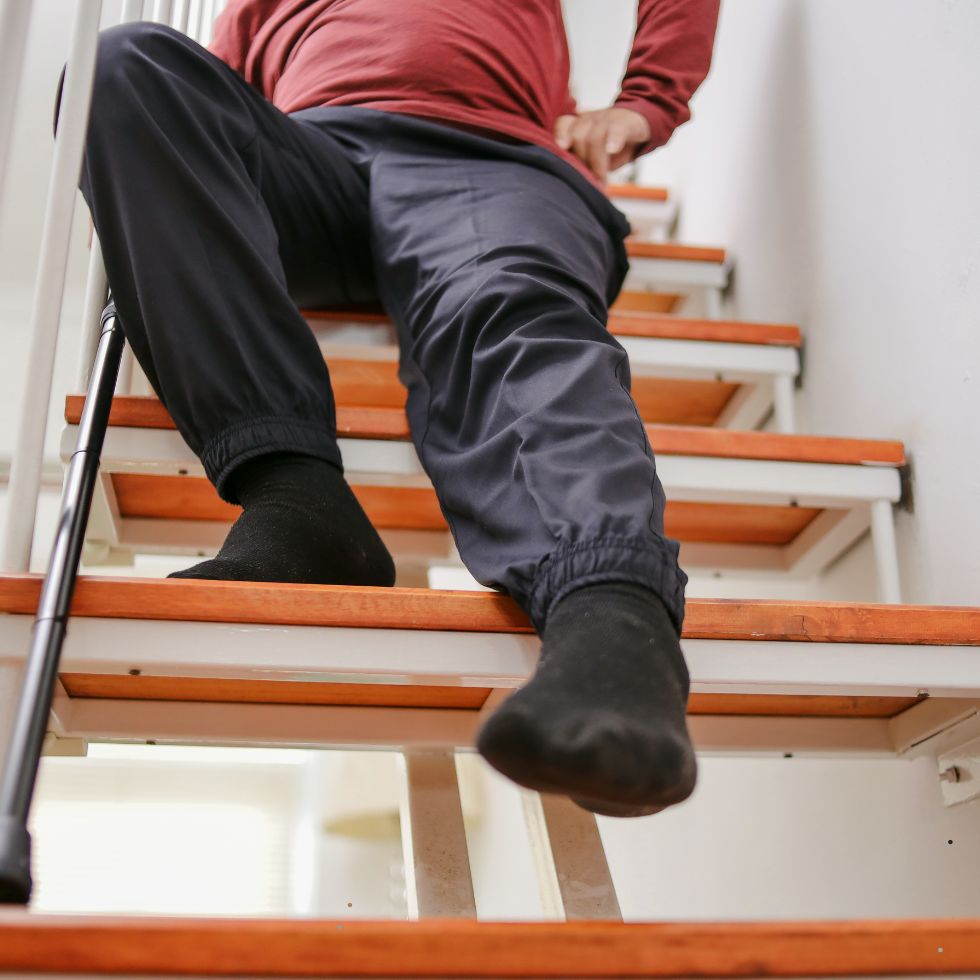
Did you slip on a wet floor, trip on a broken stair, or fall because of poor lighting or unsafe conditions?
You might be asking a simple but important question: “Is this a personal injury case?“ If your injury resulted from a slip and fall caused by unsafe property conditions, the short answer is usually yes.
Slip and fall injuries are among the most common personal injury cases in the United States. But the full story is about how these claims are categorized, who can be held responsible, and what you need to prove to recover compensation.
In this guide, we’ll discuss how slip and fall accidents relate to slip and fall injury law, how this relates to premises liability, and what you can expect if you decide to file a claim.
Is Slip and Fall a Personal Injury?
Yes, slip and fall injuries are a type of personal injury case. Personal injury is a broad field of law that involves many different types of injuries to a person’s body, mind, or emotions as a result of another person’s negligence or wrongful act. Slip and fall accidents fall into this category. These are injuries you sustained to a person, usually due to a property owner failing to keep the premises safe.
Personal injury law generally involves:
- Car and motorcycle crashes
- Medical malpractice
- Product liability
- Dog bites
- Slip, trip, and fall accidents
So when people ask about the right legal category for a slip-and-fall injury, it falls under the personal injury umbrella. More specifically, it is handled through a branch of personal injury law known as premises liability.
Premises Liability vs. Personal Injury: What’s the Difference?
Understanding premises liability vs. personal injury helps clear up a lot of confusion. The two are not competing categories. One is part of the other.
Personal injury is a legal field with wide scope. It covers every situation where one party causes harm to another and may be financially responsible for it.
Premises liability also comes under personal injury law. Premises liability law in Illinois, for example, applies when an injury happens on someone else’s property because the owner or occupier failed to maintain safe conditions. Most private property injury claims, including slip and fall cases, are handled under these premises liability principles. Slip and fall accidents are the most recognizable example of premises liability.
In simple terms, every slip and fall premises liability case is a personal injury case, but not every personal injury case involves premises liability. A car crash is a personal injury without being premises liability. A fall on a grocery store’s unmarked wet floor is both.
What Makes a Slip and Fall a Valid Personal Injury Claim?
Not every fall leads to a successful slip and fall personal injury claim. To hold a property owner accountable, you generally need to prove that their negligence caused your injury. Most cases turn on four elements.
- Duty of Care. The property owner had a duty to keep the premises reasonably safe for you. The level of duty may depend on why you were on the property, e.g., as a customer, a guest, or a trespasser.
- Breach of Duty: The owner failed to exercise his reasonable duty. Common examples include failing to clean up spills, ignoring broken handrails, failing to fix uneven flooring, or failing to warn visitors of a known hazard.
- Causation: The unsafe condition was the proximate cause of your fall and injuries, not some other cause.
- Damages. You suffered actual damages. This could be medical bills, lost wages, pain, and suffering.
If any of these elements are missing, the claim becomes much harder to win. This is why documentation matters so much in slip and fall injury law.
A slip-and-fall may understanding premises liability claims, particularly when an unsafe property condition contributed to the injury.
Common Causes of Slip and Fall Accidents
Take note of common places where falls occur as slip and fall claims arise in a wide range of settings. Some of the most frequent causes include:
- Wet or recently mopped floors without warning signs
- Loose rugs, mats or ripped carpet
- Cracked sidewalks or pavement that is uneven
- Poor lighting in stairwells or parking areas
- No clearance of snow and ice
- crowd sidewalks or merchandise dropped in stores
These accidents commonly happen in grocery stores, restaurants, apartment complexes, workplaces, public buildings, and when someone is injured on a university campus.
Various Types of Slip and Fall Injuries
Slip and fall accidents have the power to change your life in mere seconds. The common injuries include:
- Fractures and broken bones
- Sprains and torn ligaments
- Concussions and head injuries
- Back and spinal cord trauma
- Hip injuries are particularly serious for older adults
Slip and fall injuries can be so varied in terms of severity that the value of a personal injury claim depends a lot on the medical implications and how it affects your everyday life and ability to work.
What to Do After a Slip and Fall Accident
If you’re injured in a fall on someone else’s property, there are a few early steps to take that will help both your health and any future claim.
- Seek medical attention immediately. “Even if you feel fine, get checked out because some injuries develop later.
- Notify the property owner, manager, or landlord and request a written report.
- Write it all down. Photograph the hazard, your injuries and where you are. Note the date, time, and conditions.
- Capture Witness Information. Your case might benefit from names and contact details.
- Maintain records. Keep the medical bills, receipts, and any correspondence relating to the accident.
- Hire a premises liability lawyer, as an attorney can assess whether you have a claim that stands a chance and can negotiate with insurance companies.
How Compensation Works in a Slip and Fall Claim
If your slip and fall personal injury claim succeeds, you may recover several types of damages:
- Economic damages such as medical expenses, future treatment costs, and lost wages.
- Non-economic damages such as pain and suffering, emotional distress, and reduced quality of life.
The amount depends on the severity of the injury, the strength of the evidence, and the degree of the property owner’s negligence. In some states, your compensation can be reduced if you were partly at fault for the fall, under rules known as comparative or contributory negligence.
Does the Statute of Limitations Apply?
Each personal injury claim, including slip and fall cases, has a time limit called a statute of limitations. This has a statute of limitations of one to several years from the date of the injury , depending on the state . If you miss the deadline, then you normally lose the right to claim. These limits change by jurisdiction, so it’s a good idea to check your state’s specific rules early on.
To get a better understanding, you can consult a Chicago slip and fall lawyer. Want to learn more about slip and fall claims, premises liability, and personal injury law? Explore our complete article archive for additional guides, legal insights, and answers to common questions.
Frequently Asked Questions
Is a slip and fall always considered a personal injury?
A slip and fall that causes harm is treated as a personal injury. However, you only have a valid claim if someone else’s negligence contributed to the unsafe condition that caused your fall.
What is the difference between premises liability and personal injury?
“Personal injury” is the legal term that covers all injuries caused by someone else’s negligence. Premises liability is touted as a specific type of liability insurance that covers injuries that occur on someone else’s property, such as slip-and-fall accidents.
Can I file a slip and fall claim if I was partly at fault?
Yes, in many states you can file a claim. If you are partly at fault, comparative negligence rules will reduce your damages by your percentage of fault. The location of the accident also matters. Some states have stricter rules that can keep you from recovering if you share blame.
How long do I have to file a slip and fall lawsuit?
The statute of limitations also varies by state, usually from one to several years. Usually, if you miss the filing deadline, you lose the right to compensation, so don’t delay.
Do I need a lawyer for a slip and fall case?
You don’t have to hire an attorney for minor slip and fall cases. However, an attorney can help prove negligence, figure out fair compensation, and negotiate with insurance companies, which often improves your outcome.
 Legally Reviewed By
Attorney Jonathan Rosenfeld
The information on this page has been legally reviewed by Attorney Jonathan Rosenfeld, founder and managing partner of Rosenfeld Injury Lawyers LLC, a Chicago-based personal injury law firm. With decades of experience representing individuals injured in slip and fall accidents and other premises liability cases throughout Chicago, Mr. Rosenfeld is dedicated to protecting the rights of injury victims and helping them pursue the maximum compensation available under the law. His extensive legal knowledge and commitment to client advocacy ensure that the information provided is accurate, reliable, and aligned with current legal standards.