



8 Most Common Knee Injuries After a Slip and Fall


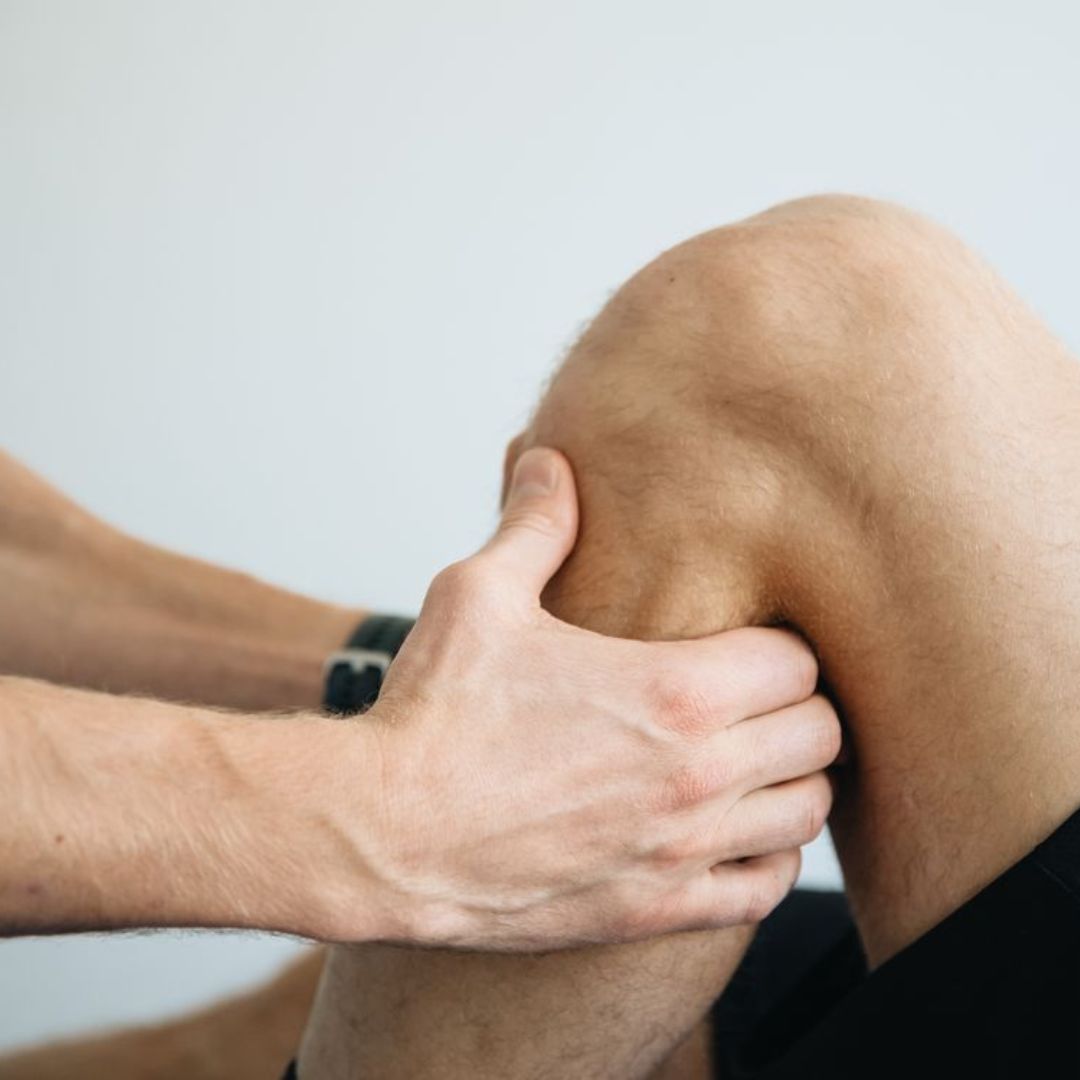
A hurt knee after a fall is scary because so much depends on it. Walking, working, driving, getting through a normal day. If yours is swollen and painful right now, you’re probably trying to figure out whether this is something that’ll pass or something that won’t.
This breakdown of the eight most common injuries associated with a knee injury from a slip and fall is here to help you understand what’s going on and what to do next. Knowing the type of knee injury from a fall you face helps you take it seriously and protect a possible claim.
The 8 Most Common Knee Injuries After a Slip and Fall
Knee injuries range from mild to severe, and two that feel alike at first can need very different treatment. Here are the eight symptoms seen most often after a fall.
1. ACL Tear
The anterior cruciate ligament (ACL) stabilizes the knee. A sudden twist can tear it, often with a pop, swelling, and a giving-way feeling. Serious tears usually need surgery and months of rehab.
2. PCL Tear
The posterior cruciate ligament (PCL) also stabilizes the joint. It tends to tear when the knee is forced backward, like landing hard on a bent knee, causing pain, swelling, and instability.
3. MCL or LCL Tear
The collateral ligaments run along the sides of the knee. A blow or twist that pushes the knee sideways can sprain or tear the ligaments, leaving pain, swelling, and a loose feeling.
4. Meniscus Tear
The meniscus is the cartilage that cushions the knee. Twisting the joint while it bears weight can tear it, causing swelling, stiffness, or locking. Some tears heal with therapy; others need surgery.
5. Patellar (Kneecap) Fracture
Landing directly on your knee can fracture the patella, or kneecap. These breaks bring sharp pain, swelling, and trouble straightening the leg. Many require surgery and months of recovery.
6. Knee Dislocation
A hard fall can force the knee bones out of alignment. A dislocation is a medical emergency that can damage nearby blood vessels and nerves, with severe pain and obvious deformity. It needs immediate care.
7. Patellar or Quadriceps Tendon Tear
The tendons above and below the kneecap can tear from a fall onto the front of the knee. A full tear often makes it impossible to extend the leg and usually needs surgery.
8. Knee Sprain
Not every knee injury is catastrophic. A sprain happens when ligaments stretch but don’t fully tear, leaving stiffness and soreness. Most heal with rest and therapy, but still deserve a diagnosis.
Because the severity and treatment of a torn meniscus can vary significantly, understanding the potential meniscus tear settlement amount may help injured individuals evaluate the financial impact of their injury.
If you want to learn more about the legal and medical considerations involved, see our guide to knee injury compensation after a fall.
Can You Get Compensation for a Knee Injury From a Slip and Fall?
If your fall happened because a property owner failed to keep their premises reasonably safe, you may be able to recover compensation. Under Illinois premises liability law, owners must fix or warn about hazards they knew, or should have known, about. When they don’t, they can be liable for the resulting joint injury or broken bones. A claim can cover medical bills, future treatment, lost income, and pain and suffering. In Illinois, you generally have two years from the fall to file.
What to Do After a Slip and Fall Knee Injury
The steps you take early protect both your health and your claim.
- See a doctor right away, even if the pain seems manageable. Some knee injuries worsen without treatment, and records link the injury to your fall.
- Report the fall to the owner, manager, or staff, and ask for a written report and a copy.
- Document the scene: photograph what caused your fall and your injuries before anything is cleaned up.
- Get witness information from anyone who saw it happen.
- Keep your records, including medical bills, treatment notes, and proof of missed work.
- Talk to a lawyer, who can preserve evidence, identify who’s liable, and handle the insurer while you heal.
Final Words
A knee injury from a fall can range from a sprain that heals in weeks to a fracture that sidelines you for months. An early, accurate diagnosis protects your recovery, and if someone else’s negligence caused the fall, your right to compensation, too. Don’t brush it off, and don’t assume you have to absorb the costs alone.
If you hurt your knee in a slip and fall in Chicago, the Chicago slip and fall lawyers at Slip & Fall Injury Lawyers can help. We’ll walk you through your options. The consultation is free, you pay nothing unless we win, and we’re available 24/7. Call 312-800-1534 to get started.
Frequently Asked Questions
Warning signs include severe pain, heavy swelling, inability to bear weight, a knee that gives way or locks, or visible deformity. If you notice any of these after a fall, see a doctor promptly.
Yes. Injuries that feel mild at first, like a meniscus or partial ligament tear, can worsen if you keep using the knee. That’s why early diagnosis matters for both recovery and any claim.
It depends on the severity of the injury, your medical costs, lost wages, and long-term impact. A knee needing surgery and rehab is generally worth far more than a sprain. An attorney can evaluate your situation.
Not always. Sprains and some meniscus tears heal with rest and therapy, while torn ligaments, fractured kneecaps, and tendon tears more often need surgery. Only a doctor can tell for sure after imaging.
In most Illinois slip and fall cases, you have two years from the date of the fall to file. If the fall happened on government property, shorter notice deadlines may apply, so act quickly.
 Legally Reviewed By
Attorney Jonathan Rosenfeld
The information on this page has been legally reviewed by Attorney Jonathan Rosenfeld, founder and managing partner of Rosenfeld Injury Lawyers LLC, a Chicago-based personal injury law firm. With decades of experience representing individuals injured in slip and fall accidents and other premises liability cases throughout Chicago, Mr. Rosenfeld is dedicated to protecting the rights of injury victims and helping them pursue the maximum compensation available under the law. His extensive legal knowledge and commitment to client advocacy ensure that the information provided is accurate, reliable, and aligned with current legal standards.