



Can You Sue If You Slip and Fall in a Movie Theater?


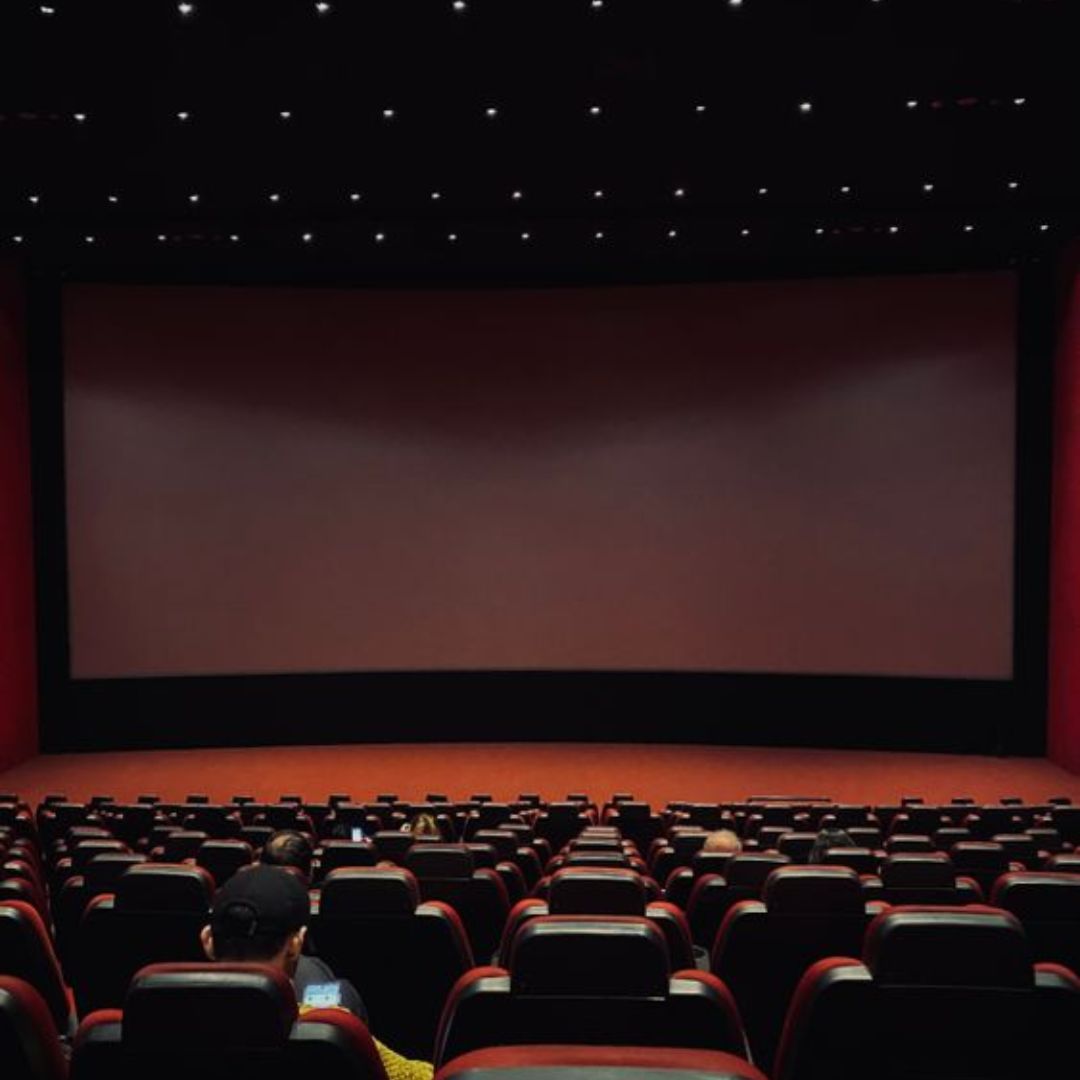
If you slipped at a movie theater and you’re not sure whether you have a case, you’re asking the right question. Not every fall is the theater’s responsibility, but plenty are, especially when a spill sat unattended or a dark aisle was missing its lights.
The difference between a fall you can sue over and one you can’t comes down to one idea: whether the theater was careless. From there, the specifics decide it, what caused the fall, whether the theater should have known, and how badly you were hurt. Below, we cover when a movie theater fall injury becomes a real claim.
When Is a Movie Theater Liable?
A movie theater is a business. Under premises liability law, any business that invites customers in owes them a duty to keep the place reasonably safe. As a paying patron, you’re an invitee, owed a high duty of care. The theater must inspect for hazards, clean up spills promptly, and warn you about anything it can’t fix right away.
But owing that duty doesn’t make a theater responsible for every fall. The law requires negligence, which usually turns on one question. Did the theater know, or should it have known, about the hazard and fail to act in time? A soda spill that an employee walked past twice is very different from one that appeared seconds before you stepped in it.
Common Causes of a Movie Theater Fall Injury
Theaters carry hazards most businesses don’t, which is why these falls and broken bones happen so often. Common causes:
- Spilled soda, melted ice, or buttered popcorn makes floors slick or sticky
- Dark auditoriums where a hazard is impossible to see
- Poorly lit or unlit stepped aisles in stadium-style seating
- Worn, rounded, or uneven steps
- Torn or bunched carpet and loose transition strips
- Burned-out aisle or step lights left unrepaired
- Wet restroom floors with no warning sign
When the theater knew about one of these and didn’t act, a fall can support a claim.
The “It Was Dark” Problem
Theaters often lean on the darkness as a defense: the lights are supposed to be off, so how is a fall their fault? It doesn’t work that way. Darkness is expected, which is why a theater must keep aisles and steps lit with working step lighting. A burned-out aisle light that sat broken for weeks isn’t your fault; it’s the theater’s.
That said, your own conduct can matter. Illinois uses modified comparative negligence. If you were partly to blame, rushing in the dark before your eyes adjusted, your compensation drops. More than half at fault, and you recover nothing.
Proving the Theater Was Negligent
To win, you generally have to show four things. The theater owed you a duty, breached it, the breach caused your fall, and you suffered real harm. The duty is easy; you were a paying customer. The fight is almost always over breach and notice.
Evidence is what settles it. Surveillance footage can show how long a spill sat there, and cleaning logs reveal whether staff were checking the area.
Photos of the hazard and lighting, an incident report, and witness accounts all help pin down what the theater knew. Much of this disappears fast, so the sooner it’s preserved, the better.
What to Do After a Fall at a Theater
The steps you take early protect both your health and any claim.
- Talk to a lawyer before giving a recorded statement.
- Get medical care promptly, even if you feel okay. Records tie the injury to the fall.
- Report it to a manager and ask for a written incident report.
- Photograph everything, including the hazard and the lighting where you fell.
- Ask about video, since theaters have cameras, and the footage can be decisive.
- Get witness details from anyone who saw it or saw the hazard earlier.
To Conclude
Can you sue if you slip and fall in a movie theater? Yes, when the theater’s negligence caused it. A movie theater fall injury becomes a real claim when a hazard the theater should have caught puts you on the ground. Think of a spill, a dark step, or a torn carpet.
Big chains carry insurers built to minimize these claims, so evidence and quick action matter. If your injury is serious and the theater had a hand in it, the case is worth a look.
If you were hurt at a movie theater, the team at Slip & Fall Injury Lawyers can help. We’ll investigate what happened and tell you whether you have a claim. The consultation is free, you pay nothing unless we win, and we’re available 24/7. Call 312-800-1534.
Frequently Asked Questions
Yes, if the theater’s negligence caused your fall. You generally have to show it knew or should have known about the hazard and failed to fix it or warn you.
Possibly. Darkness in the auditorium is expected, but the theater still has to keep aisles and steps lit with working step lights. A burned-out light that made a stairway unsafe can support a claim.
That makes it harder. If you created the hazard, the theater has a strong defense, and under Illinois comparative negligence rules, your share of fault reduces or eliminates your recovery.
Surveillance footage, cleaning logs, photos of the hazard and lighting, an incident report, witness statements, and your medical records. Footage and logs disappear quickly, so act fast and involve a lawyer early.
In most cases, you have two years from the date of the fall to file. Waiting can cost you evidence and eventually the claim itself, so get advice soon.
 Legally Reviewed By
Attorney Jonathan Rosenfeld
The information on this page has been legally reviewed by Attorney Jonathan Rosenfeld, founder and managing partner of Rosenfeld Injury Lawyers LLC, a Chicago-based personal injury law firm. With decades of experience representing individuals injured in slip and fall accidents and other premises liability cases throughout Chicago, Mr. Rosenfeld is dedicated to protecting the rights of injury victims and helping them pursue the maximum compensation available under the law. His extensive legal knowledge and commitment to client advocacy ensure that the information provided is accurate, reliable, and aligned with current legal standards.