



Can Your Lawyer Negotiate Down Your Medical Liens Before You Get Paid?


You settle your case, and then the number on the check is smaller than you expected. The gap is often medical liens, the claims hospitals, insurers, and providers place against your settlement before you ever see it. Medical lien reduction negotiation is one of the most overlooked parts of a personal injury case, and it can make a real difference in what actually lands in your pocket.
What a Medical Lien Actually Is
A medical lien is a legal claim against your settlement, filed by whoever provided or paid for your treatment. It exists because many providers treat injured patients without requiring upfront payment, on the understanding that they will be repaid once the case resolves.
In Illinois, these liens most commonly come from hospitals and treating providers under the Illinois Health Care Services Lien Act, private health insurance through subrogation, Medicare or Medicaid, and sometimes your own auto insurer through medical payments coverage.
Why These Liens Can Take a Big Bite
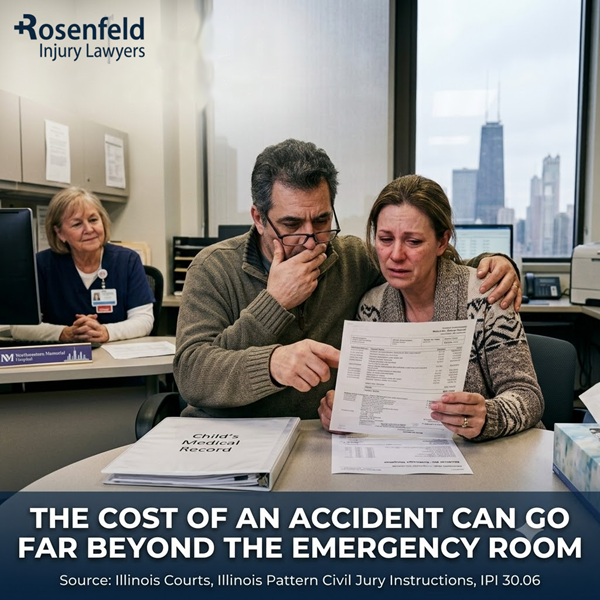
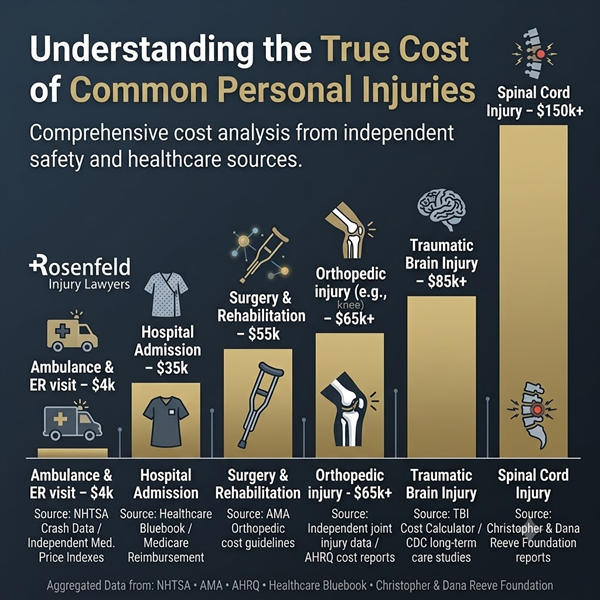
Every lienholder wants full repayment, and if several liens exist at once, they can add up to a significant share of your settlement before attorney fees and costs are even factored in. This is exactly why medical lien reduction negotiation matters so much before a case closes, not after.
People searching for how much of my settlement goes to medical bills are usually surprised to learn that the answer depends heavily on how aggressively those liens were negotiated, not just on how much treatment cost.
The Illinois 40 Percent Rule
Illinois law offers real protection here. Under the Illinois Health Care Services Lien Act, healthcare provider liens generally cannot take more than 40 percent of your total settlement. This cap helps ensure your recovery is not entirely consumed by medical debt.
It is worth noting that this cap does not apply equally to all types of liens. Medicare, Medicaid, and certain employer health plans governed by federal ERISA rules follow different reimbursement rules and are not bound by the same state limit.
How Lien Reduction Negotiation Actually Works
Once a settlement or verdict is reached, your attorney reviews every lien on file, checks it for accuracy, and challenges anything that looks wrong before agreeing to pay it. This step is where medical lien reduction negotiation does the most work.
Common negotiation points include disputing charges unrelated to the accident, requesting a reduction to reflect the attorney fees and costs that made the recovery possible in the first place, and pointing out billing errors or duplicate charges that inflate the total owed.
Health insurance liens can sometimes be reduced under legal doctrines that account for the work it took to secure the settlement in the first place. Even government liens, while harder to negotiate, can occasionally be challenged if they include charges unrelated to the injury.
Why Timing Matters So Much
Lien issues need to be worked out before your settlement is finalized, not after the check arrives. Once a case is closed and money has changed hands, your leverage to negotiate a lien down largely disappears.
This is why experienced attorneys treat medical lien reduction negotiation as part of building the case itself, not as paperwork left for the end. Identifying every lien early gives your legal team time to challenge, question, and reduce them before your settlement is locked in.
What This Means for You
You do not need to track down every lien yourself or negotiate directly with a hospital billing department. That work belongs with your attorney, and it directly affects your net recovery, not just the headline settlement figure.
At Slip & Fall Injury Lawyers, we treat lien negotiation with the same seriousness as the settlement itself, because a larger gross settlement means little if liens quietly take most of it before you ever see a payment.
Frequently Asked Questions
Most can be challenged or reduced to some degree, though government liens, such as Medicare liens, follow stricter rules than private provider liens.
Yes, healthcare provider liens are generally capped at 40 percent of the total settlement under state law.
As early as possible, ideally well before a settlement is finalized, since leverage decreases significantly after the fact.
No. Your attorney typically handles all communication and negotiation with hospitals, insurers, and other lienholders.
Often, yes, since lien amounts are usually reduced to account for the attorney fees and costs involved in securing the recovery.
Final Word
A settlement figure only tells part of the story. What you actually keep depends on how well the liens attached to it are handled along the way. Medical lien reduction negotiation is not a side task; it is part of what determines whether your recovery reflects what you truly went through.
If you are worried about how medical bills will affect your settlement, Slip & Fall Injury Lawyers can walk you through what your liens look like and what can realistically be done about them. Reach out to get a clear picture before you agree to anything.

Legally Reviewed By
Attorney Jonathan Rosenfeld
The information on this page has been legally reviewed by Attorney Jonathan Rosenfeld, founder and managing partner of Rosenfeld Injury Lawyers LLC, a Chicago-based personal injury law firm. With decades of experience representing individuals injured in slip and fall accidents and other premises liability cases throughout Chicago, Mr. Rosenfeld is dedicated to protecting the rights of injury victims and helping them pursue the maximum compensation available under the law. His extensive legal knowledge and commitment to client advocacy ensure that the information provided is accurate, reliable, and aligned with current legal standards.