



Common Injuries at Big-Box Electronics and Retail Stores


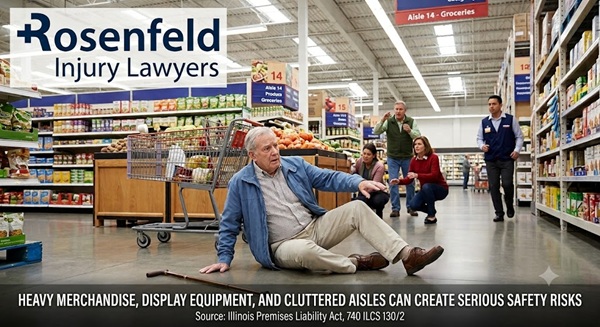
Walk through a big-box electronics store, and you’ll notice something a grocery store doesn’t have: heavy merchandise stacked at eye level and above, narrow aisles packed with display units, and cords running across the floor connecting every demo screen to an outlet. Those details change what kind of injuries actually happen there, and they’re often what a retail store injury attorney looks at first when sorting through a claim.
Falling Televisions and Heavy Electronics
Large televisions and appliances are often displayed on shelving or endcaps well above eye level, sometimes without adequate anchoring. When a unit isn’t properly secured, it can tip or fall, and the weight involved makes these injuries far more serious than a typical slip.
Head trauma, fractures, and crush injuries to hands or feet are common outcomes when a heavy display item comes down unexpectedly. Securing hardware, anchoring straps, and proper shelf weight limits exist specifically to prevent this, and their absence is often central to how these claims get built.
Cord and Cable Trip Hazards
Demo units need power, and in electronics sections that usually means cords running along or across the floor to reach outlets. Even taped-down cords create a raised edge, and untaped ones are a clear tripping hazard for someone distracted by a screen instead of looking at their feet.
This hazard is almost unique to this type of store. A grocery aisle doesn’t have power cords crossing it, but an electronics section built around dozens of plugged-in demo units does.
Narrow Aisles and Stacked Inventory
Big-box electronics retailers often pack as much product into a floor plan as possible so that aisles can be tighter than in a typical department store. Boxed inventory stacked at the end of an aisle, or stock carts left mid-restock during business hours, create obstacles customers don’t expect to navigate around.
Combined with heavier foot traffic during sales events or new product launches, these tight conditions increase both the likelihood of a fall and the severity of what happens when a heavy box or display gets knocked over.
Cuts and Lacerations From Packaging and Displays
Retail electronics packaging frequently includes sharp edges, protective plastic strapping, and display hooks designed to hold merchandise securely on a rack. These same features can cause cuts when packaging shifts, breaks, or when a customer reaches past a display to grab a product.
While usually less severe than a fall or a falling television, these injuries still warrant medical attention, since deep lacerations near joints or close to the face can have lasting effects beyond the initial wound.
Lifting and Strain Injuries
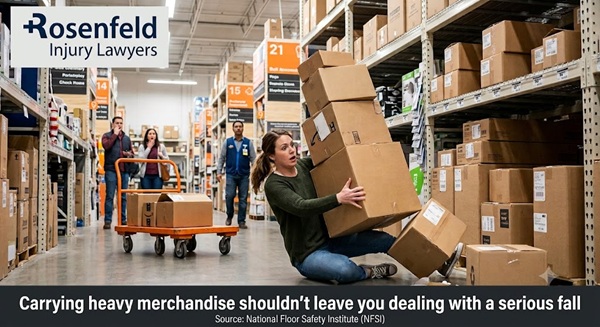
Big-box electronics and appliance stores often expect customers, or sometimes employees responding to a request for help, to lift and carry heavy boxed merchandise to a vehicle. When shelving, carts, or store layout make that process awkward or unsafe, back and shoulder strain injuries can result.
This type of injury looks different from a slip-and-fall. However, it still falls under the same basic premises liability question a retail store injury attorney would ask: did the store create or allow an unsafe condition that led to the injury?
What Connects All of These Injury Types
Each of these hazards traces back to the same legal question any retail store injury attorney looks at first: did the store know, or should it have known, about the risk, and did it take reasonable steps to prevent it? An unsecured television, an exposed cord, or a blocked aisle during a busy sale all point to the same kind of investigation.
At Slip & Fall Injury Lawyers, we treat big-box and electronics store injuries as their own category, since the hazards involved rarely look like a typical grocery store spill.
Frequently Asked Questions:
Yes. Improperly secured heavy merchandise is a recognized premises liability hazard distinct from a typical floor spill.
This is a common hazard in electronics sections and can support a claim if the cord wasn’t properly secured or marked.
They can be, especially if the packaging or display itself created an unreasonable risk the store should have addressed.
It can. Increased foot traffic and rushed restocking during sales can factor into how a store’s negligence is evaluated.
The hazards- heavy merchandise, cords, and stacked inventory- differ from standard floor hazards, which changes what evidence matters.
If you were hurt at an electronics or big-box retail store, Slip & Fall Injury Lawyers can help you understand what caused it and who’s responsible. Contact us to talk through what happened.ca

Legally Reviewed By
Attorney Jonathan Rosenfeld
The information on this page has been legally reviewed by Attorney Jonathan Rosenfeld, founder and managing partner of Rosenfeld Injury Lawyers LLC, a Chicago-based personal injury law firm. With decades of experience representing individuals injured in slip and fall accidents and other premises liability cases throughout Chicago, Mr. Rosenfeld is dedicated to protecting the rights of injury victims and helping them pursue the maximum compensation available under the law. His extensive legal knowledge and commitment to client advocacy ensure that the information provided is accurate, reliable, and aligned with current legal standards.