



Do Insurance Companies Take Non-Surgical Injuries Seriously?


If you never went under the knife, insurance adjusters may treat your claim like an afterthought. A soft tissue injury settlement without surgery is still possible, but getting an insurer to take that injury seriously often takes more work than most people expect.
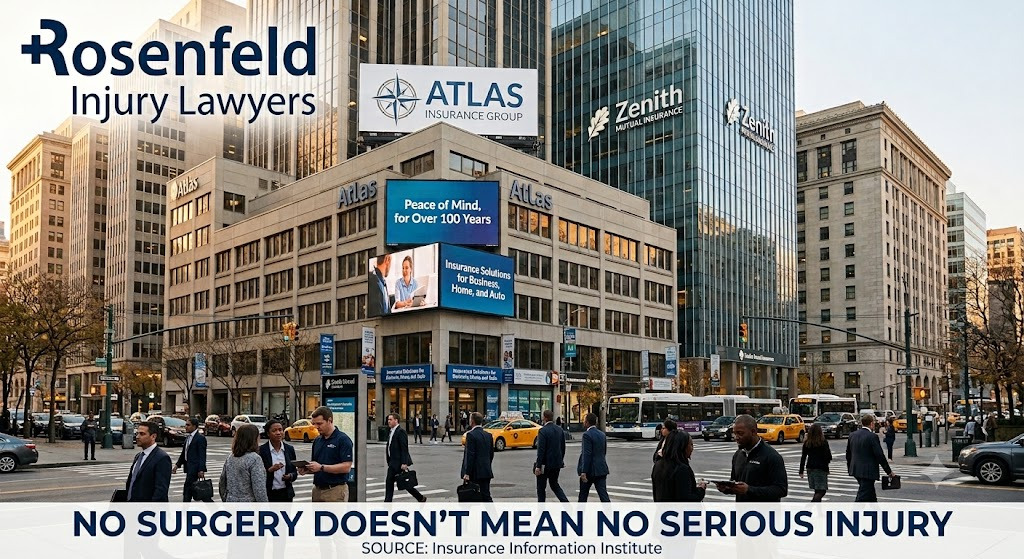
The Insurance Industry’s Bias Toward Surgical Cases
Adjusters are trained to size up claims fast, and surgery gives them something concrete to measure. A surgical report, a procedure code, and a recovery timeline all fit neatly into a spreadsheet.
Soft tissue damage does not offer that same clarity. Sprains and strains rarely show up on an X-ray, which gives insurers an opening to argue the injury was minor or already healed.
Why “No Surgery” Does Not Mean “No Injury”
Do you need surgery to get a settlement? No. Many of the most painful and disruptive injuries never require an operating room. Herniated discs, whiplash, and joint injuries often heal through physical therapy, injections, or extended rest instead of surgical repair.
That does not make the pain, missed work, or long recovery any less real. A soft tissue injury settlement without surgery should still account for every medical bill, therapy session, and day of lost income tied to the fall.
How Insurance Companies Try to Minimize These Claims
Adjusters use a handful of familiar tactics on non-surgical claims:
- Arguing the injury was pre-existing or degenerative.
- Claiming gaps in treatment show the injury was not serious.
- Pointing to a lack of imaging evidence like an MRI or CT scan
- Offering a quick lowball settlement before treatment is complete
- Suggesting the pain should have resolved faster than it did
These tactics work because many injured people accept the first number offered, not realizing what their claim is actually worth. Reviewing settlement amounts for similar injuries helps set realistic expectations before any offer is accepted.
What Strengthens a Non-Surgical Injury Claim
How do you prove a soft tissue injury without surgery? Consistent medical documentation matters more than any single test result. Regular visits to a doctor or physical therapist create a paper trail showing the injury is ongoing and directly tied to the fall.
Diagnostic imaging still helps even without surgery. An MRI can reveal disc bulges or ligament tears that a basic X-ray misses, giving your claim medical weight an adjuster cannot easily dismiss.
A pain journal also adds credibility. Documenting daily symptoms, missed activities, and setbacks paints a fuller picture than medical records alone.
The Role of Negotiation in Non-Surgical Settlements
Because these claims lack a surgical bill to anchor the number, negotiation matters even more. Insurers often open with a figure well below fair value, expecting claimants to accept it out of frustration.
We push back with organized evidence and a clear demand package that ties every dollar to a documented loss. Understanding how to negotiate a settlement effectively can be the difference between a fair outcome and a rushed, undervalued one.
Common Injuries That Fall Into This Category
Non-surgical claims typically involve conditions such as:
- Sprained ankles and wrists
- Strained backs and necks
- Whiplash-associated disorders
- Torn or stretched ligaments
- Bruising and soft tissue contusions
Each of these can limit mobility and daily functioning for weeks or months, even without ever requiring surgery.
Why Working With an Attorney Changes the Outcome
Insurance companies know which claimants are represented and adjust their offers accordingly. An attorney familiar with soft-tissue injury settlement cases without surgery knows how to counter minimization tactics with organized evidence and firm negotiation, and when a case is worth pushing toward litigation rather than accepting a low offer.
Frequently Asked Questions
Yes, non-surgical injuries can result in substantial settlements when supported by consistent treatment records and strong documentation of your losses.
They may try to, which is why detailed medical records and consistent treatment history are so important to counter that assumption.
Wait until you reach maximum medical improvement so your settlement accounts for the full extent of your recovery and future needs.
No, initial offers are almost always lower than fair value and are meant to test whether you’ll accept quickly.
Fluctuating symptoms are common with soft tissue injuries and should still be documented consistently to support your claim.
Let Us Fight for the Value Your Injury Deserves
Skipping surgery should never mean settling for less than your injury is worth. If an insurer is downplaying your pain, we’re ready to build a soft-tissue injury settlement without surgery claim, backed by real evidence and real advocacy. Contact us today for a free consultation and let us show you what your case is truly worth.

Legally Reviewed By
Attorney Jonathan Rosenfeld
The information on this page has been legally reviewed by Attorney Jonathan Rosenfeld, founder and managing partner of Rosenfeld Injury Lawyers LLC, a Chicago-based personal injury law firm. With decades of experience representing individuals injured in slip and fall accidents and other premises liability cases throughout Chicago, Mr. Rosenfeld is dedicated to protecting the rights of injury victims and helping them pursue the maximum compensation available under the law. His extensive legal knowledge and commitment to client advocacy ensure that the information provided is accurate, reliable, and aligned with current legal standards.