



Does Your Slip and Fall Lawyer Need Trial Experience? Here’s Why It Matters


Most slip and fall cases settle before ever reaching a courtroom, so it’s fair to wonder whether trial experience even matters. Does my injury lawyer need trial experience, or is settlement skill enough on its own? The honest answer is that both go hand in hand, and one rarely works well without the other.
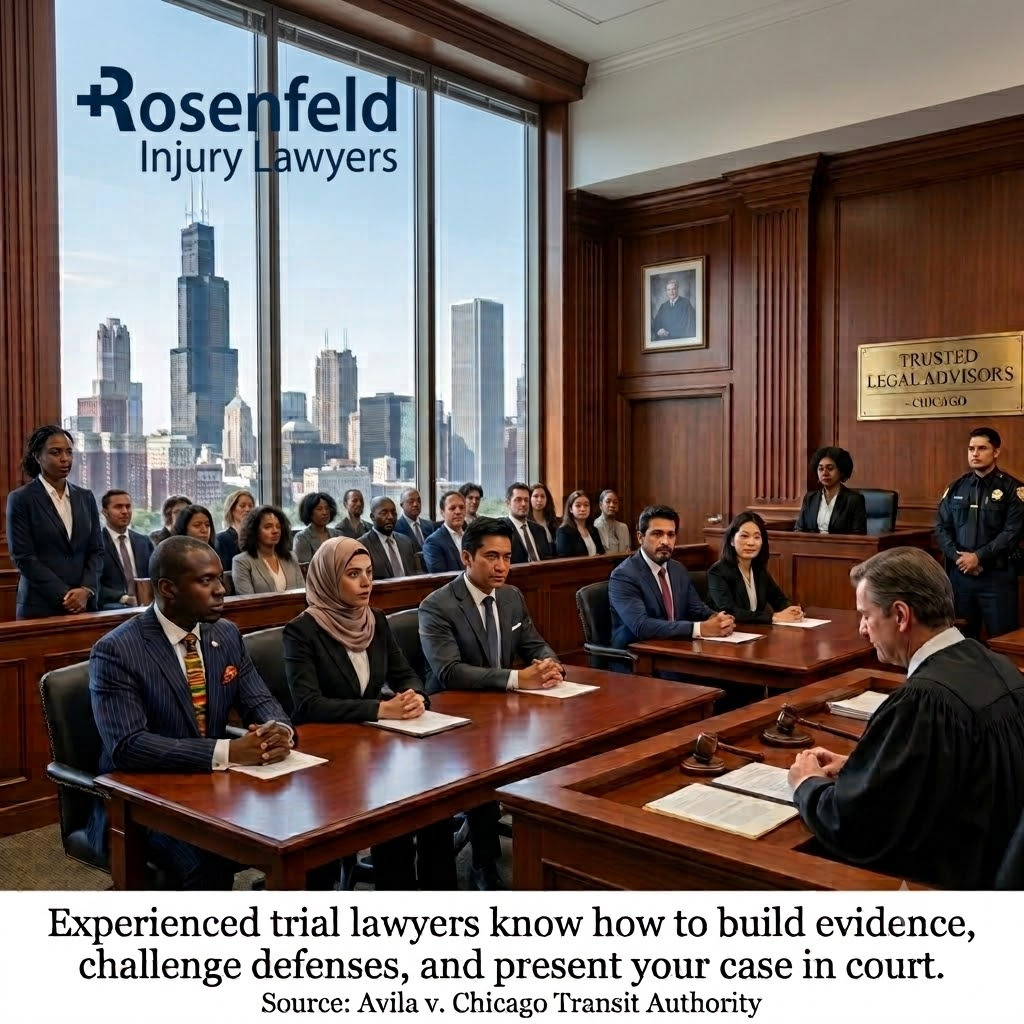
Why Settlement Negotiations Depend on Trial Readiness
Insurance adjusters study the attorneys they negotiate with. If a lawyer settles every case regardless of the offer, adjusters know they can lowball without much risk.
A lawyer known for taking cases to trial changes that dynamic. Insurers negotiate more seriously when they know a case could end up before a jury, rather than quietly closing out with a modest check.
What Trial Experience Actually Signals
Why does trial experience matter for a settlement? It shows the lawyer can build a case that holds up under real scrutiny, not just one that reads well in a demand letter.
Trial-tested attorneys know how to gather admissible evidence, anticipate defense arguments, and present a claim persuasively under pressure. Those skills strengthen negotiations long before a case ever nears a courtroom.
Common Signs a Lawyer Lacks Real Trial Experience
A few warning signs can suggest an attorney may not be prepared to go the distance:
- A settlement-only practice with no history of verdicts
- Vague answers when asked about past trial outcomes
- Pressure to accept the first offer without much pushback
- Limited staff or resources to build a full case file
- No clear plan for what happens if negotiations stall
None of these automatically disqualify a lawyer, but they’re worth asking about during a consultation.
How Jonathan Rosenfeld’s Trial Background Shapes Our Approach
Jonathan Rosenfeld, a recognized trial lawyer in premises liability litigation across Illinois, leads our firm. That background shapes how we handle every case from day one, not just the small number that eventually go before a jury.
We build files as though a trial is possible, gathering surveillance footage, maintenance records, and expert input early. This groundwork often serves as leverage to push insurers toward a fairer offer.
Does This Mean Your Case Will Go to Trial?
Will my slip-and-fall case actually go to trial? Most likely not. The vast majority of claims resolve through negotiation, and we aim for a fair resolution without unnecessary delay whenever possible.
That said, preparing every case as if it could go to trial keeps us ready if an insurer refuses reasonable compensation. Does my injury lawyer need trial experience to reach that outcome? In practice, yes, since that readiness is often what unlocks a better number at the table.
Questions to Ask Before Hiring a Slip and Fall Lawyer
Before signing with any attorney, it helps to ask a few direct questions about their courtroom background.
Ask how many cases they have taken to trial and what the outcomes looked like. Ask who handles the case day-to-day, and whether that person has courtroom experience. Getting a straight answer to whether your injury lawyer needs trial experience early on can save you from a disappointing settlement later.
You can also check independent sources, such as client reviews, to see how past clients describe communication, results, and the overall experience of working with the firm.
Why This Distinction Matters for Your Compensation
Cases handled by attorneys without a genuine trial track record often settle for less, since insurers sense little downside to lowballing the offer. A firm prepared to litigate tends to secure stronger outcomes overall.
Understanding how settlement negotiations work gives injured clients a clearer picture of why this leverage matters so much to the final number.
Frequently Asked Questions
Yes, trial readiness strengthens negotiating leverage and signals to insurers that lowball offers won’t be accepted quietly.
No, but trial-ready lawyers negotiate more effectively, since insurers take their cases more seriously.
Ask directly during your consultation, and check bar association records or legal directories for verdict history.
No, most slip and fall attorneys work on contingency, so trial readiness does not add upfront cost to your case.
Trial-ready representation still helps, since preparation strengthens negotiating leverage even in straightforward claims.
Not necessarily, but confirm that they have resources and a plan in place if the insurer refuses a fair offer.
Choose Representation Ready for Every Outcome
Your case deserves an attorney prepared for every direction it might take, not one hoping the insurance company writes a fair check. If you’re evaluating your options after a fall, reach out to us for a free consultation and see what trial-tested representation looks like.

Legally Reviewed By
Attorney Jonathan Rosenfeld
The information on this page has been legally reviewed by Attorney Jonathan Rosenfeld, founder and managing partner of Rosenfeld Injury Lawyers LLC, a Chicago-based personal injury law firm. With decades of experience representing individuals injured in slip and fall accidents and other premises liability cases throughout Chicago, Mr. Rosenfeld is dedicated to protecting the rights of injury victims and helping them pursue the maximum compensation available under the law. His extensive legal knowledge and commitment to client advocacy ensure that the information provided is accurate, reliable, and aligned with current legal standards.