


Dram Shop vs. Premises Liability: Two Different Ways to Sue a Bar


A night at a bar can turn into a serious injury when alcohol and unsafe property conditions are involved. In Illinois, the legal claim may depend on how the injury happened and what the bar did or failed to do.
Two important legal theories are the Illinois Dram Shop Act and premises liability. Although both can involve a bar, restaurant, nightclub, or other alcohol-serving business, they address different types of wrongdoing.
Understanding the difference can help an injured person identify the right path to compensation.
What Is the Illinois Dram Shop Act?
The Illinois Dram Shop Act, found at 235 ILCS 5/6-21, creates a specific cause of action against certain alcohol sellers or providers when their sale or gift of alcohol causes another person’s intoxication and that intoxicated person causes injury or property damage.
This is where Dram Shop Act Illinois overserving becomes important.
For example, suppose a bar continues serving alcohol to a patron who becomes intoxicated. That person later gets into a vehicle and causes a collision that seriously injures another driver. The injured driver may have a claim under the Illinois Dram Shop Act if the statutory requirements are satisfied.
The claim focuses on the alcohol transaction and the resulting intoxication.
How Does a Dram Shop Claim Work in Illinois?
A successful Dram Shop case generally requires evidence connecting the alcohol provider’s conduct to the intoxication and the resulting injury. Evidence may include:
- Receipts or credit card records
- Bar tabs
- Surveillance footage
- Witness statements
- Police reports
- Toxicology or blood alcohol evidence
- Statements from bartenders or employees
- Information about the person’s behavior before leaving the bar
- Evidence showing where and when alcohol was served
Dram Shop claims are also subject to statutory limits on certain damages, with the applicable limits adjusted under the statute. Because the limits can change, an attorney should confirm the amount that applies to a particular claim.
What Is Premises Liability at a Bar?
Premises liability involves a different question:
Was the property owner or operator negligent in maintaining reasonably safe premises?
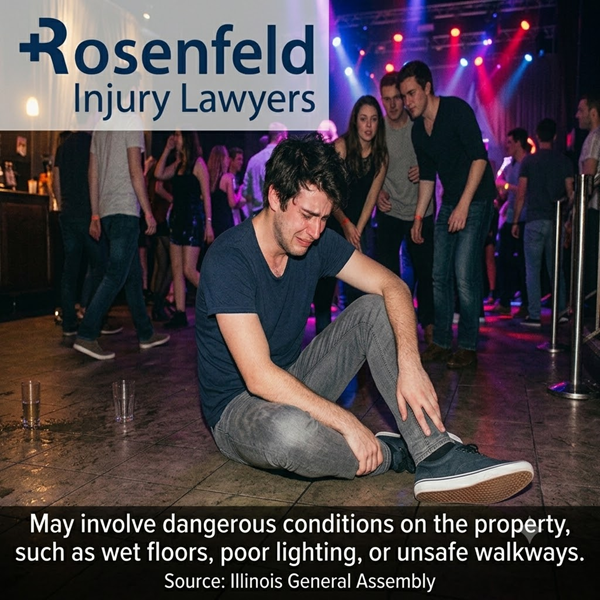
Illinois premises liability law may apply when a person is injured due to a dangerous condition on someone else’s property. Depending on the circumstances, examples at a bar or nightclub could include:
- Wet or slippery floors
- Broken stairs
- Defective handrails
- Poorly maintained walkways
- Inadequate lighting
- Dangerous entrances or exits
- Unsafe flooring
Dram Shop vs. Premises Liability: Key Differences
While both claims can involve a bar, they address different types of legal responsibility. Understanding these differences can help you determine what type of claim may apply after an injury.
What Caused the Injury?
A Dram Shop claim focuses on alcohol. It may arise when an alcohol provider’s sale or gift of alcohol contributes to intoxication and that intoxicated person causes an injury or property damage.
A premises liability claim focuses on an unsafe condition on the property. A wet floor, broken staircase, inadequate lighting, or another dangerous condition may support this type of claim when the legal requirements are met.
Who May Be Responsible?
In a Dram Shop case, the potential defendant may be the bar, tavern, restaurant, or another business that provided the alcohol.
In a premises liability case, the responsible party may be the property owner, business operator, manager, or another party responsible for maintaining reasonably safe premises.
What Evidence Matters?
Dram Shop cases may require evidence involving alcohol service and intoxication. This can include receipts, bar tabs, surveillance footage, witness statements, employee testimony, and other records showing what happened before the injury.
Premises liability cases often require evidence of the dangerous condition. Photos, surveillance footage, maintenance records, inspection records, incident reports, witness statements, and evidence showing the property’s condition can all be important.
What Types of Injuries Are Common?
Dram Shop claims may involve injuries caused by an intoxicated person. For example, an intoxicated driver may cause a serious motor vehicle collision after leaving a bar.
Premises liability claims can involve slip and fall injuries, broken bones, traumatic brain injuries, back injuries, and other harm caused by unsafe conditions.
What Law Applies?
A Dram Shop claim is based on the Illinois Dram Shop Act, which contains specific requirements and statutory limitations.
A premises liability claim generally involves Illinois premises liability and negligence principles. The facts must establish the legal elements necessary to hold the responsible party liable.
How Slip & Fall Injury Lawyers Can Help With a Bar Injury Claim
Slip & Fall Injury Lawyers deals with all kinds of fall injury cases in Chicago, Cook County and throughout Illinois. The legal professionals will investigate, collect evidence, assess damage, and ensure that the negligent property owner is held responsible for their actions.
At Slip & Fall Injury Lawyers, premises liability cases involve investigating, collecting evidence such as video surveillance footage and maintenance reports, assessing damages, negotiating with insurance companies, and possibly litigating.
Frequently Asked Questions:
The Illinois Dram Shop Act is a statute that allows certain injured people to pursue claims against alcohol providers when the provider’s sale or gift of alcohol causes intoxication and the intoxicated person causes injury or property damage.
No. Dram Shop Act Illinois overserving cases require more than simply showing that a person consumed too much alcohol.
Dram Shop claims focus on the provision of alcohol and resulting intoxication. Premises liability claims generally focus on dangerous property conditions or negligent property management.
Potentially. If a dangerous condition at the bar caused the fall and the legal requirements for premises liability are met, you may have a claim.
Legally Reviewed By
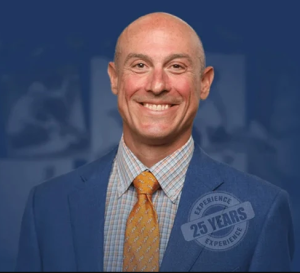
Attorney Jonathan Rosenfeld
The information on this page has been legally reviewed by Attorney Jonathan Rosenfeld, founder and managing partner of Rosenfeld Injury Lawyers LLC, a Chicago-based personal injury law firm. With decades of experience representing individuals injured in slip and fall accidents and other premises liability cases throughout Chicago, Mr. Rosenfeld is dedicated to protecting the rights of injury victims and helping them pursue the maximum compensation available under the law. His extensive legal knowledge and commitment to client advocacy ensure that the information provided is accurate, reliable, and aligned with current legal standards.