



Hit by Falling Merchandise? Here’s How That Claim Differs From a Slip and Fall


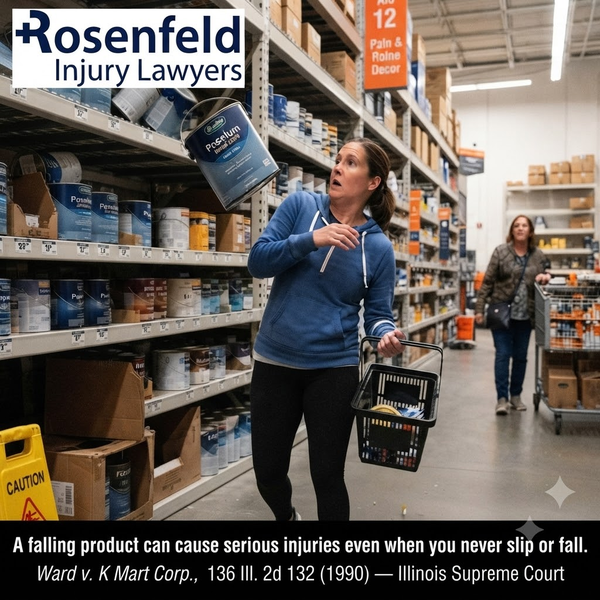
People often lump every store injury into the same category, but getting struck by a box that fell from a shelf is a fundamentally different kind of claim than slipping on a wet floor. A falling merchandise injury lawsuit focuses on entirely different questions, and understanding that difference matters for how your case gets built.
The Core Difference Between These Two Claim Types
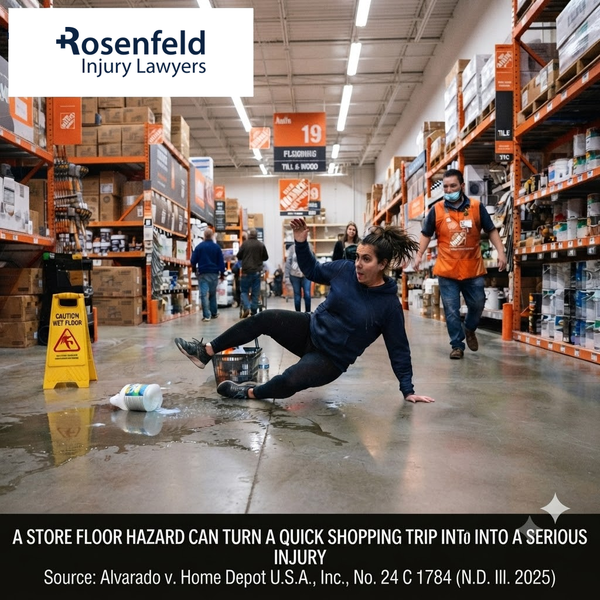
A traditional slip and fall case revolves around notice, meaning whether the store knew or should have known about a hazard on the ground. A falling merchandise case revolves around something different entirely: how the product was stacked, secured, and displayed before it ever fell.
This shifts the focus of the entire investigation. Instead of asking how long a spill sat on the floor, a falling merchandise injury lawsuit asks whether the store followed reasonable practices when stocking and arranging the items in the first place.
Why Stores Stack Merchandise the Way They Do
Retailers, especially large big-box stores, often stack products high to maximize floor space and make more inventory visible to shoppers. This practice is common and not inherently unsafe, but it becomes a problem when items are stacked too high, not properly secured, or left unstable in high-traffic aisles.
People often ask who is responsible when a box falls off a shelf, and the answer usually comes down to whether the store took reasonable precautions, such as securing heavy items, training staff on safe stacking, and conducting regular inspections of displays and shelving.
What Has to Be Proven in These Cases
Like other premises liability claims, a falling merchandise injury lawsuit generally requires showing that the store owed a duty of care, failed to meet that duty through unsafe stacking or display practices, and that this failure directly caused the merchandise to fall and injure you.
Evidence in these cases often looks different from that in a typical slip-and-fall. Photos of how the shelf or display was arranged after the incident, the store’s own incident report, and witness accounts of how the item was stacked beforehand all carry significant weight. In some cases, employee training records or prior complaints about the same display can help establish a pattern of negligence.
Why These Injuries Are Often More Serious
Falling merchandise cases frequently involve heavier or bulkier items than those typically seen in slip-and-fall claims. Boxes, appliances, tools, and packaged goods stacked at height can cause significant impact injuries, including head trauma, fractures, and back or neck injuries from being struck directly or from awkward movements made trying to avoid the fall.
Symptoms do not always appear immediately. Someone struck by a falling object may feel fine at first and develop pain, swelling, or other symptoms hours or days later, making early medical evaluation especially important, even when an injury seems minor.
Who Can Actually Be Held Responsible
The store is typically the primary party responsible for how merchandise was displayed and stacked. In some situations, a third-party contractor hired to stock shelves, or the manufacturer of defective shelving or display equipment, may also share responsibility depending on how the incident happened.
This is exactly why a falling merchandise injury lawsuit often requires a more detailed investigation than a straightforward slip-and-fall, since more than one party may be involved in how the hazard came to exist.
What This Means If This Happened to You
At Slip & Fall Injury Lawyers, we treat falling merchandise cases as a separate category, focusing on stacking practices, training records, and store procedures rather than the notice-based evidence used in a typical fall claim.
Frequently Asked Questions
No. It focuses on unsafe stacking and display practices rather than a hazard sitting on the floor.
Potentially, yes, if the store failed to stack or secure the merchandise reasonably and that failure caused your injury.
Third-party stocking contractors or the manufacturer of defective shelving may sometimes share responsibility.
Some injuries, including head trauma, may not show symptoms immediately, so a medical evaluation is still important.
Photos of the display, the store’s incident report, and witness accounts of how the item was stacked before the incident.
Bottom Line
Getting hit by falling merchandise is not the same legal claim as slipping on a wet floor, even though both happen inside a store. A falling merchandise injury lawsuit depends on stacking practices, training, and inspection records, not just where the hazard sat on the ground.
If you were struck by an item that fell from a shelf or display, Slip & Fall Injury Lawyers can help you understand what caused it and who may be responsible. Reach out to talk through what happened.

Legally Reviewed By
Attorney Jonathan Rosenfeld
The information on this page has been legally reviewed by Attorney Jonathan Rosenfeld, founder and managing partner of Rosenfeld Injury Lawyers LLC, a Chicago-based personal injury law firm. With decades of experience representing individuals injured in slip and fall accidents and other premises liability cases throughout Chicago, Mr. Rosenfeld is dedicated to protecting the rights of injury victims and helping them pursue the maximum compensation available under the law. His extensive legal knowledge and commitment to client advocacy ensure that the information provided is accurate, reliable, and aligned with current legal standards.