



What Are ‘Hedonic Damages’ and Can You Recover Them in Illinois?


If your injury took away your ability to hike, play with your kids, or feel like yourself, the law has a way to account for that loss. It is often called hedonic damages, and it addresses the loss of enjoyment of life that no medical bill can capture. Understanding how hedonic damages and loss of enjoyment of life claims actually work in Illinois can help you see what your case may truly be worth.
What “Hedonic Damages” Actually Means
The term hedonic damages comes from economics, not from Illinois statute. It refers to the value of the pleasures, relationships, and experiences an injury takes away from someone, separate from physical pain and separate from medical costs.
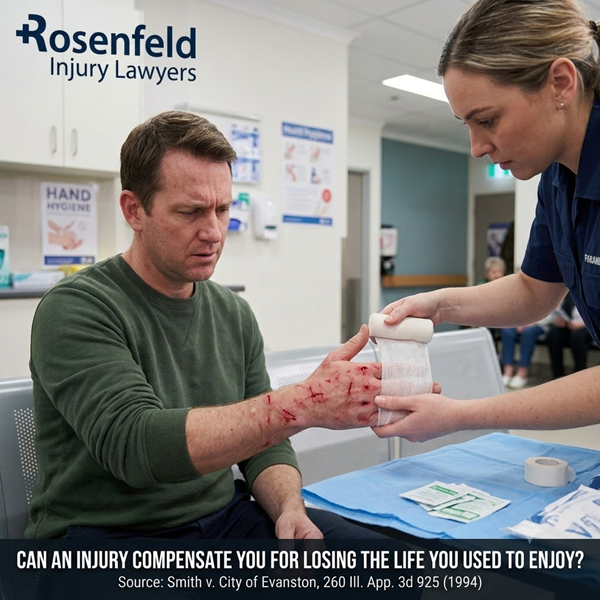
People searching for what “loss of enjoyment of life” means legally are often trying to figure out whether their own situation fits. If your injury keeps you from activities that used to define your daily life, from coaching your kid’s soccer team to sleeping through the night, hedonic damages and loss of enjoyment of life claims likely apply to you.
How Illinois Law Actually Frames This Loss
Illinois courts do not use the phrase hedonic damages in jury instructions. Instead, the concept lives under what Illinois calls “loss of a normal life.” Illinois Pattern Jury Instruction 30.04.02 defines this as the temporary or permanent diminished ability to enjoy the activities and pursuits that previously gave life meaning.
This matters because Illinois treats loss of a normal life as its own distinct category of non-economic damages, separate from pain and suffering. Juries can award both when the evidence supports it, rather than folding one into the other.
Why the Distinction From Pain and Suffering Matters
Pain and suffering encompass the physical sensation of injury and the emotional distress directly tied to it. Loss of a normal life, the Illinois version of hedonic damages, loss of enjoyment of life, covers something different. It addresses the specific activities, hobbies, and relationships your injury has taken away.
A runner who can no longer run experiences both. The physical pain from the injury is one form of harm. The loss of a routine that shaped their identity is another. Illinois law allows both to be argued and valued separately.
How These Damages Get Proven
Because this loss is not attached to a receipt, proving it takes a different kind of evidence than medical bills or lost wages. Strong cases typically include testimony from the injured person about specific activities they can no longer do, statements from family or close friends who have witnessed daily life change, medical records linking physical limitations to lost activities, and documentation, such as photos of hobbies or routines that existed before the injury.
People often ask How do you prove loss of enjoyment of life in court, and the honest answer is that specificity wins. Vague claims about a “worse quality of life” carry far less weight than concrete examples tied to what someone actually lost.
An Important Limit Worth Knowing
While loss of a normal life is broadly recoverable in Illinois personal injury and survival actions, wrongful death claims work differently. The Illinois Wrongful Death Act focuses primarily on the pecuniary losses suffered by surviving family members, not on the deceased person’s own lost enjoyment of life. This distinction can significantly affect how a case is valued, which is why it deserves careful legal review rather than assumptions.
There is also good news for injured Illinois residents. Non-economic damages, including loss of a normal life, generally carry no statutory cap in most personal injury cases in this state.
Why This Category Is Often Undervalued
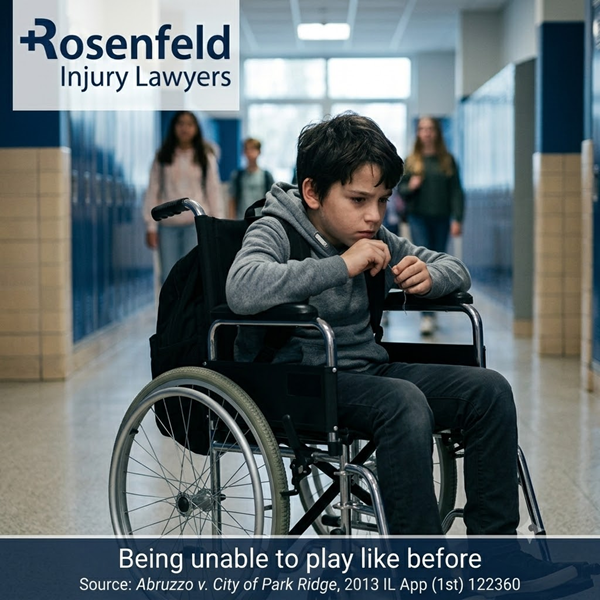
Insurance adjusters tend to focus on medical bills and lost income because those numbers are easy to calculate. The harder, more human losses often get minimized or overlooked entirely unless someone builds the case for them.
At Slip & Fall Injury Lawyers, we take the time to document how an injury has actually changed your daily life, not just your bank account. That documentation is often what separates an adequate settlement from one that reflects the full weight of what you have lost.
Frequently Asked Questions:
Not exactly. Illinois courts use “loss of a normal life,” which captures the same concept under a different label.
Sometimes. If lasting limitations remain even after physical healing, this category may still apply to your claim.
Not always, though medical documentation connecting your limitations to the injury strengthens the claim significantly.
Generally no, though certain claim types, such as some medical malpractice cases, can involve different rules.
There is no fixed formula. Juries and settlements weigh evidence, credibility, and the specific activities affected.
Bringing It All Together
The law recognizes that an injury can take far more than your ability to work. Hedonic damages loss of enjoyment of life claims exist to account for the parts of your life that changed the moment you got hurt, even when those losses do not show up on a hospital invoice.
If your injury has changed how you live day to day, Slip & Fall Injury Lawyers can help you document that loss and pursue the full value of your claim. Reach out to discuss what happened to your life and what it may be worth.

Legally Reviewed By
Attorney Jonathan Rosenfeld
The information on this page has been legally reviewed by Attorney Jonathan Rosenfeld, founder and managing partner of Rosenfeld Injury Lawyers LLC, a Chicago-based personal injury law firm. With decades of experience representing individuals injured in slip and fall accidents and other premises liability cases throughout Chicago, Mr. Rosenfeld is dedicated to protecting the rights of injury victims and helping them pursue the maximum compensation available under the law. His extensive legal knowledge and commitment to client advocacy ensure that the information provided is accurate, reliable, and aligned with current legal standards.