



How Illinois Law Values Scarring and Disfigurement After an Injury


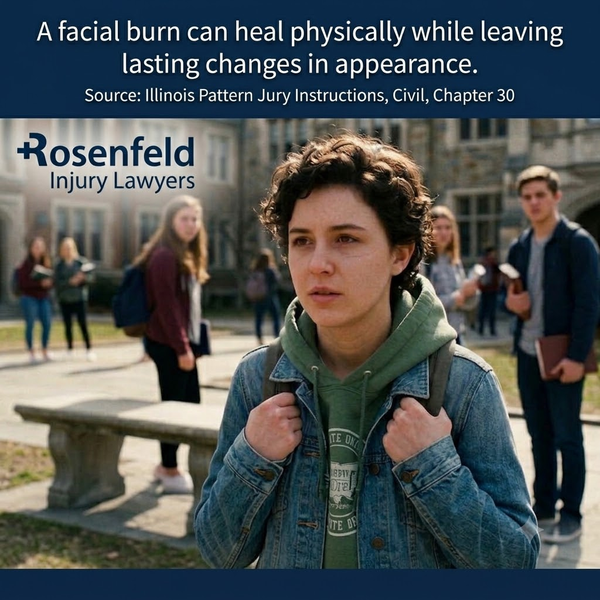
A scar does more than mark where an injury happened. It can change how someone feels every time they look in the mirror, long after the physical pain has faded. Illinois law recognizes this directly, and understanding scarring disfigurement damages Illinois courts actually starts with knowing that this loss is treated as its own distinct category, not just a footnote to your medical bills.
Disfigurement Stands on Its Own as a Legal Category
Illinois courts do not fold scarring and disfigurement into pain and suffering or treat it as an afterthought. Under Illinois Pattern Jury Instruction 30.04, disfigurement is recognized as a separate, independently compensable element of damages, distinct from pain and suffering, medical costs, and loss of a normal life.
This distinction matters because it means a jury or settlement negotiation can, and should, value the visible, lasting change to someone’s appearance as its own category of harm, not something automatically absorbed into other damages. Anyone unfamiliar with how scarring disfigurement damages under Illinois law separate from other categories may assume a scar is simply part of the overall pain and suffering number, which can lead to undervaluing this part of a claim entirely.
Why Location and Visibility Change the Calculation
People often ask whether scar location matters, and under Illinois law, the answer is clearly yes. Courts have specifically recognized that a scar in a highly visible location, such as the face, carries different weight than the same scar somewhere routinely covered by clothing.
This is because scarring disfigurement damages under Illinois law recognize and account for how the injury affects daily life, self-perception, and social interaction, not just the physical size or severity of the mark itself. A smaller, highly visible scar can sometimes carry more weight than a larger scar in a less noticeable location.
Why These Damages Are Not Simply Discounted Over Time
Unlike some categories of future damages, Illinois law does not reduce disability and disfigurement damages to present cash value the way it might with certain future economic losses. Courts have recognized that this kind of harm is ongoing and resists a simple present-day calculation, since the person carries the visible change with them indefinitely.
What Actually Goes Into Valuing This Damage
Illinois courts consider the nature, extent, and permanence of the disfigurement when weighing this element of a claim. Photographs and video documentation showing the injury at different stages of healing are often central, since juries and adjusters generally need to see the change to understand its impact fully.
Testimony about how the disfigurement has affected the person’s confidence, relationships, and willingness to participate in social or professional settings can also carry real weight, alongside medical testimony describing whether the change is permanent or likely to improve with further treatment.
Why Emotional Impact Is Part of This Conversation Too
Scarring and disfigurement are not purely physical concerns. Illinois recognizes that visible, lasting changes to someone’s appearance can carry genuine emotional weight, including effects on self-esteem and social confidence, and this emotional dimension is part of what makes disfigurement its own distinct category rather than a purely cosmetic detail.
What This Means for Your Claim
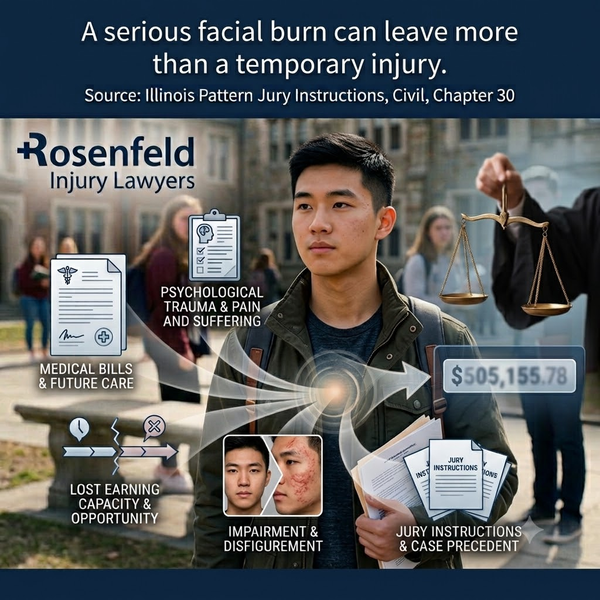
If your injury left a lasting scar or other visible change, that loss deserves its own careful documentation and valuation, separate from how quickly your wound physically healed. At Slip & Fall Injury Lawyers, we treat disfigurement as the distinct legal category Illinois recognizes it to be, not an afterthought folded into a general pain and suffering number.
Frequently Asked Questions
Yes. Illinois recognizes disfigurement as its own separate, independently compensable category of damages.
Yes. Illinois courts have specifically recognized that visibility and location can significantly affect how this damage is valued.
No. Illinois does not discount disability and disfigurement damages to present cash value.
Photos and video over time, along with testimony about the emotional and social impact, are typically central.
Yes. Illinois recognizes non-economic impact, including emotional and social effects, as part of this category.
Bottom Line
A scar is not just a mark left behind by an injury. Under Illinois law, scarring disfigurement damages that Illinois courts recognize exist specifically because a lasting change to someone’s appearance carries its own weight, separate from how the injury itself healed.
If your injury has left you with a permanent scar or other visible change, Slip & Fall Injury Lawyers can help you document what that loss actually means for your claim. Reach out to talk through your situation.

Legally Reviewed By
Attorney Jonathan Rosenfeld
The information on this page has been legally reviewed by Attorney Jonathan Rosenfeld, founder and managing partner of Rosenfeld Injury Lawyers LLC, a Chicago-based personal injury law firm. With decades of experience representing individuals injured in slip and fall accidents and other premises liability cases throughout Chicago, Mr. Rosenfeld is dedicated to protecting the rights of injury victims and helping them pursue the maximum compensation available under the law. His extensive legal knowledge and commitment to client advocacy ensure that the information provided is accurate, reliable, and aligned with current legal standards.