



Inside 3 Case Results: How Jonathan Rosenfeld Builds a Slip and Fall Claim


Numbers on a page rarely explain how a case actually got there. Reviewing Jonathan Rosenfeld case results side by side shows a consistent pattern: thorough investigation, strong documentation, and a willingness to push cases further than insurers expect. Here’s a look inside three of the firm’s restaurant slip and fall settlements.
The Approach Behind Every Case
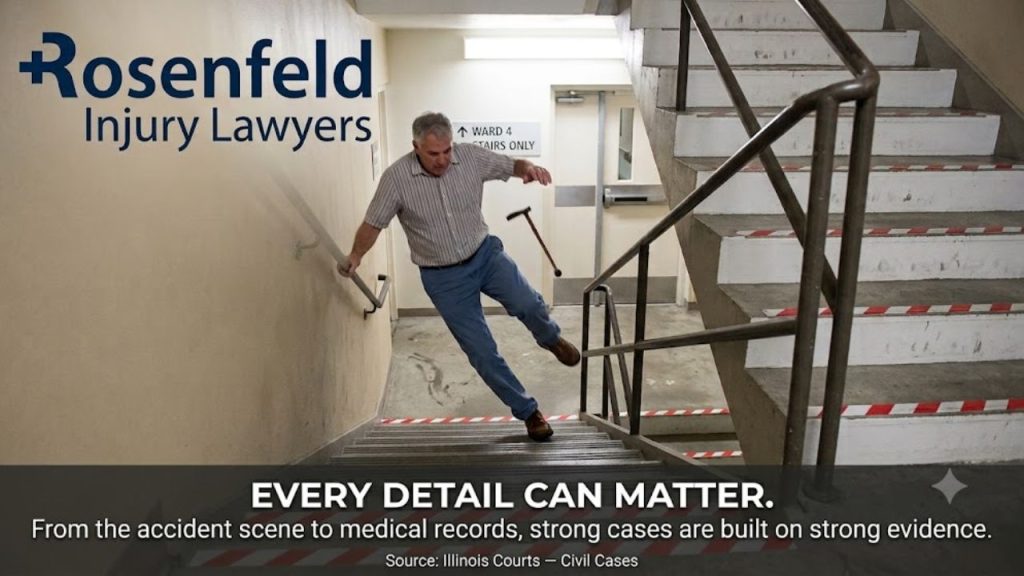
Jonathan Rosenfeld built his practice around a simple idea: every case starts with a deep dive into the facts. That means inspecting the scene, reviewing maintenance logs, consulting experts, and understanding exactly how an injury has changed a client’s life before any number gets discussed with an insurer.
That groundwork shows up clearly once you look at how individual cases are actually resolved.
Case One: A Hallway Fall That Became a $3.14 Million Verdict
Gail Hartman slipped in a restaurant hallway near a restroom after walking past an ice machine and a recently mopped floor. The claim cited several overlapping hazards: fast-dispensing ice, grease tracked in from the kitchen, missing mats, and a slick tile surface.
Why did this case result in such a high award? Hartman’s injuries included aggravation of prior spinal fusions and new adjacent-level damage, requiring additional fusion surgeries and ongoing pain management. The jury found the restaurant owner liable and awarded $3,140,804.42, which was later adjusted to $2,500,278.21 after medical bill setoffs.
The case illustrates a core part of the approach: identifying every contributing hazard rather than settling for the simplest explanation of the fall.
Case Two: A Brain Injury Case Built on Prior Notice
John Ratzlaff fell after stepping on water leaking from cracked tiles over a burst line in a restaurant bathroom. What made this case especially strong was proof the owner had prior notice of the hazard and responded with nothing more than a suggestion to post a sign.
Ratzlaff was later diagnosed with post-concussion syndrome, chronic migraines, and occipital neuralgia, and returned to work only in a reduced role. The jury found the property owner fully liable and awarded $4,000,000 for past and future pain and suffering.
Among Jonathan Rosenfeld’s case results, this one stands out for how notice was proven. Documentation showing the owner knew about the hazard beforehand removed any argument that the fall was simply unforeseeable.
Case Three: A Rotator Cuff Tear the Defense Underestimated
Sondra Simon slipped on a freshly mopped floor and tore the rotator cuff in her dominant shoulder, ultimately requiring two arthroscopic surgeries. The defense argued warning signs had been posted at the time of the fall.
The jury found that argument unpersuasive and held the restaurant operator liable, awarding $1,350,000, split between past and future pain and suffering. This case shows how thorough documentation can outweigh a defense built on a single disputed detail, such as signage placement.
What These Three Cases Have in Common
Looking across these outcomes, a few consistent elements stand out:
- Detailed identification of every hazardous condition, not just the most obvious one
- Strong medical documentation connecting the injury directly to the fall
- Willingness to challenge the defense’s version of events with evidence
- A refusal to accept an early lowball offer without a fight
- Case preparation thorough enough to succeed in front of a jury
Do all cases end up going to trial like these examples? No. Most slip-and-fall claims still resolve through negotiation. These trial results matter because they show insurers what happens when a fair settlement isn’t offered.
How This Track Record Shapes Negotiations
Insurance adjusters pay attention to results like these. A firm with a demonstrated history of taking cases to verdict negotiates from a stronger position than one that has never tested a case before a jury.
That leverage benefits every client, including those whose cases settle quietly without ever approaching a courtroom.
Frequently Asked Questions
No, outcomes vary widely based on injury severity, evidence, and liability, but they reflect the approach applied to every case.
Not directly. Every case is valued individually based on its own facts, injuries, and evidence.
Cases involving surgery, disputed liability, or trial preparation often take longer than straightforward claims.
Not always. Awards are sometimes adjusted for medical bill setoffs or other factors after the verdict.
Detailed evidence gathering, strong medical documentation, and a willingness to litigate when insurers wouldn’t offer fair value.
See What Thorough Case-Building Can Do for You
These results didn’t happen by accident. They came from careful investigation, strong documentation, and a refusal to settle for less than a case was worth. Jonathan Rosenfeld case results like these reflect what’s possible when a claim is built the right way from the start. If you’ve been hurt in a fall, reach out for a free consultation and let’s talk about what that approach could look like for you.

Legally Reviewed By
Attorney Jonathan Rosenfeld
The information on this page has been legally reviewed by Attorney Jonathan Rosenfeld, founder and managing partner of Rosenfeld Injury Lawyers LLC, a Chicago-based personal injury law firm. With decades of experience representing individuals injured in slip and fall accidents and other premises liability cases throughout Chicago, Mr. Rosenfeld is dedicated to protecting the rights of injury victims and helping them pursue the maximum compensation available under the law. His extensive legal knowledge and commitment to client advocacy ensure that the information provided is accurate, reliable, and aligned with current legal standards.