



Premises Liability vs. General Negligence: What’s the Real Difference?


Two people can get hurt through someone else’s carelessness and still end up with completely different types of claims. One slips on an unmarked wet floor. The other gets hit by a distracted driver. Both involve negligence, but only one is a premises liability case. Sorting out premises liability vs general negligence is the first step to knowing what your claim actually requires.
Negligence Is the Foundation, Not the Whole Story
Every personal injury claim, no matter the category, rests on the same basic idea. Someone owed you a duty of care, they failed to meet it, and that failure caused your injury. This is general negligence, and it covers an enormous range of situations, from car accidents to defective products to a careless contractor.
General negligence claims focus on a person’s or company’s conduct. Did the driver run the red light? Did the manufacturer skip a safety test? The question is almost always about behavior in the moment.
Premises Liability Narrows the Focus to the Property
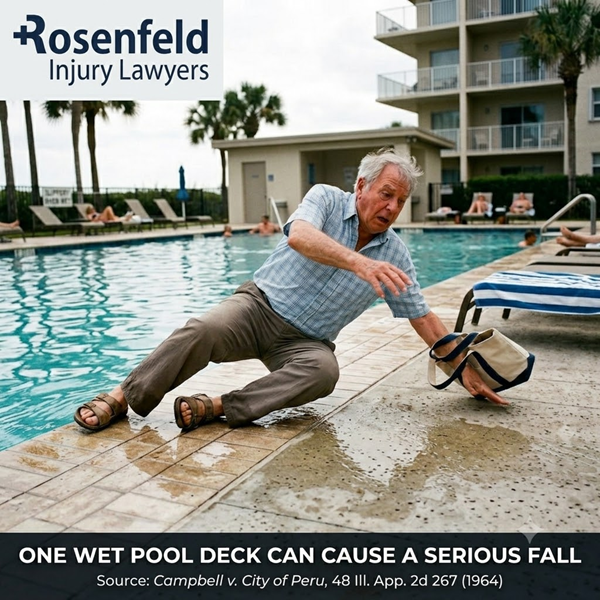
Premises liability is a specific branch of negligence law. Instead of asking what someone did, it asks what condition a property was left in and whether the owner should have fixed it. If you were hurt because of a hazard on someone else’s land or in their building, this is the category your claim falls under.
People often ask if a slip-and-fall is the same as a negligence claim, and the answer is yes and no. A slip-and-fall is a negligence claim, specifically a premises liability claim, which comes with its own rules.
Why the Property Owner’s Role Looks Different
In a premises liability case, your legal status on the property matters. Illinois generally recognizes invitees, licensees, and trespassers, and each is owed a different level of care. A customer in a store is owed more protection than someone who wandered onto private property uninvited.
This visitor classification does not exist in most general negligence claims. A driver who runs a stop sign owes the same duty of care to every other driver on the road, regardless of who they are.
Three Practical Differences That Affect Your Claim
Understanding premises liability vs general negligence matters because the differences show up in how your case is built.
The evidence looks different. Premises liability cases lean heavily on notice, meaning proof the owner knew or should have known about a hazard. General negligence cases focus more directly on the at-fault party’s actions at the moment of the incident.
The defendant is different. A premises liability claim usually targets a property owner, manager, or tenant responsible for maintenance. A general negligence claim can target almost anyone whose careless conduct caused harm, including drivers, employers, or manufacturers.
The legal standard shifts slightly. Premises liability weighs whether the property was reasonably safe for its intended use. General negligence weighs whether the person’s conduct fell below what a reasonably careful person would have done in that situation.
Why Getting the Category Right Matters
Filing the wrong type of claim, or missing an element specific to premises cases, can weaken your compensation even when your injuries are real and serious. Insurers know how to exploit a premises liability vs general negligence mix-up, especially when a claim leans on general fault language without addressing notice or property condition directly.
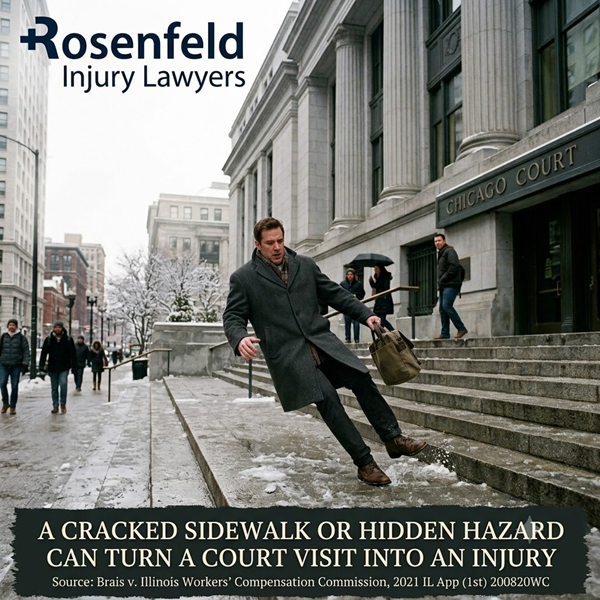
This is one reason why ” how do I know if my case is premises liability comes up so often. If your injury happened because of where you were, rather than purely because of what someone did, premises liability rules likely apply, and notice becomes central to your claim.
How We Approach These Cases
At Slip & Fall Injury Lawyers, we start every case by identifying exactly which legal framework applies before building a strategy around it. That determines what evidence we gather first, what standard we have to meet, and how we position your claim with the insurance company.
Frequently Asked Questions:
Yes. Some incidents include both a property hazard and separate careless conduct, which can support more than one legal theory.
No. It also covers inadequate security, dog bites, and other hazards tied directly to unsafe property conditions.
Illinois law owes different duties of care to invitees, licensees, and trespassers, which can affect what you need to prove.
Both generally follow Illinois personal injury deadlines, though claims against government-owned property can have shorter notice requirements.
It helps. The distinction affects strategy from day one, and an experienced attorney can identify it quickly.
The Takeaway
Every injury claim starts with negligence, but not every negligence claim plays by the same rules. Knowing where premises liability vs. general negligence draw the line helps set realistic expectations and shape how your case is built from the ground up.
If you were hurt on someone else’s property and are not sure which category your case falls into, Slip & Fall Injury Lawyers can review the details and tell you exactly where you stand. Contact us to walk through what happened next.

Legally Reviewed By
Attorney Jonathan Rosenfeld
The information on this page has been legally reviewed by Attorney Jonathan Rosenfeld, founder and managing partner of Rosenfeld Injury Lawyers LLC, a Chicago-based personal injury law firm. With decades of experience representing individuals injured in slip and fall accidents and other premises liability cases throughout Chicago, Mr. Rosenfeld is dedicated to protecting the rights of injury victims and helping them pursue the maximum compensation available under the law. His extensive legal knowledge and commitment to client advocacy ensure that the information provided is accurate, reliable, and aligned with current legal standards.