



Can You Still Sue If You Need Knee Replacement Years After a Fall?


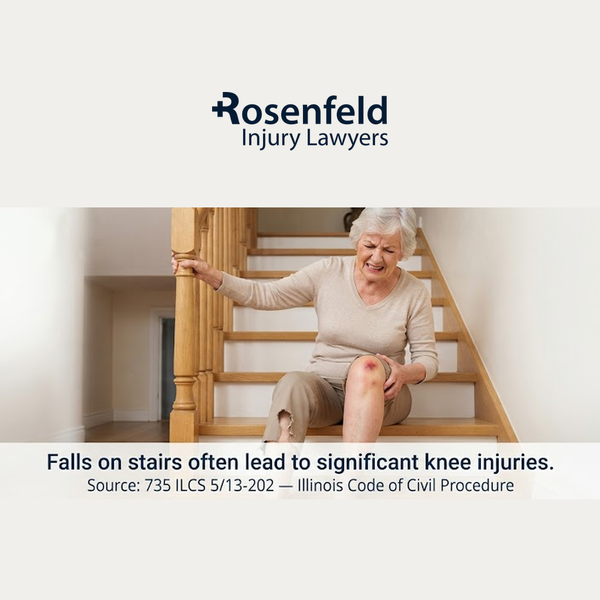
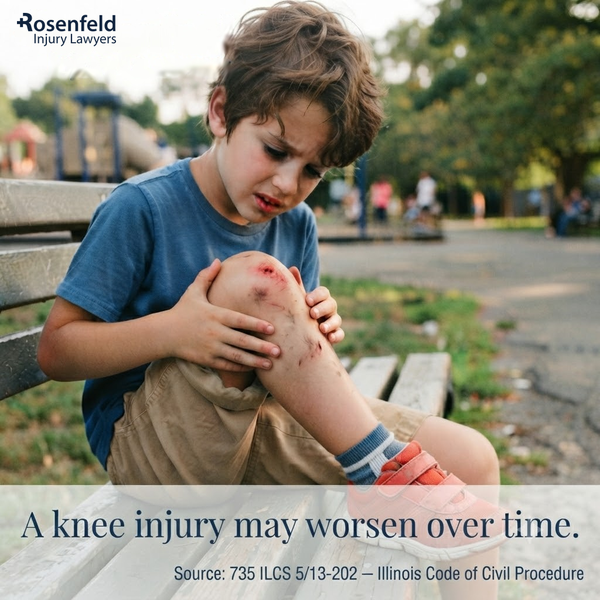
Some falls seem minor at first. You are sore for a few weeks, then life moves on, until years later a doctor tells you the joint damage has progressed to the point where you need a full knee replacement. At that point, a hard question comes up fast. Does knee replacement years after a fall still give you the right to sue, or did that window close long ago?
The Short Answer Depends on One Thing: Timing
In Illinois, the deadline to file a personal injury lawsuit is generally two years from the date of the fall itself, not from the date your knee condition worsened or surgery became necessary. This is one of the most misunderstood parts of Illinois injury law, and it catches people off guard more often than it should.
If you never filed a claim within that two-year window after your original fall, needing a knee replacement later typically does not reopen the door to sue over that original incident.
Why the Clock Usually Starts at the Fall, Not the Surgery
People often ask, “Does the statute of limitations reset if my injury gets worse?” And the answer in most fall-related cases is no. Illinois law generally treats the date of the accident as the trigger for the filing deadline, even if the full extent of the damage was not clear right away.
This is different from certain medical malpractice situations, where Illinois recognizes a discovery rule that can start the clock when an injury was reasonably discoverable rather than when it happened. That exception applies only to a narrow set of circumstances and does not automatically apply simply because a knee condition gradually worsened after a fall.
A Case That Was Already Filed Is a Different Story
There is an important distinction worth understanding here. If a lawsuit or claim was filed within the original two-year window, the fact that a knee replacement happens years later does not necessarily shut the door on including it. Ongoing or already-filed cases can often address anticipated future medical needs, including surgery that has not yet occurred.
This is exactly why, in cases of knee replacement years after a fall, outcomes can look completely different depending on whether legal action was taken early or never taken at all.
What Actually Might Give You More Time
A small number of situations can extend or pause the standard deadline. These include cases involving minors at the time of injury, individuals under a legal disability, fraudulent concealment of the cause of harm, and claims involving government-owned property, which follow their own separate, often shorter, notice requirements.
If your fall occurred on public property, such as a transit platform, park district facility, or municipal building, different, and typically tighter, deadlines may already apply, making early legal advice even more important.
Why This Still Matters Even If Time Has Passed
If you believe the standard deadline has already passed, it is still worth a conversation rather than an assumption. Every case has specific facts, and only a careful review of what happened, when, and where can confirm whether any exception could realistically apply.
If your fall happened recently and a knee injury is still developing, this is also the moment to act, not wait. Filing before the deadline preserves your ability to include future medical needs, including the possibility of surgery down the road, as part of your claim.
What This Means for You Right Now
At Slip & Fall Injury Lawyers, we look closely at both the date of the original fall and the current stage of your treatment before telling you what options actually exist. Timing drives almost everything in these cases, and getting an honest answer early is far better than assuming either the best or the worst.
Frequently Asked Questions:
Generally no. The deadline typically runs from the date of the fall, not from when symptoms worsened.
Future medical needs, including anticipated surgery, can often still be included in an active or already-filed case.
Yes, in limited situations involving minors, legal disability, fraudulent concealment, or claims against government property.
Yes. Government-owned property often carries shorter notice deadlines that apply well before the standard two-year window.
Yes. Only a review of your specific facts can confirm whether any exception might apply to your situation.
Bottom Line
Whether a knee replacement years after a fall can still lead to a valid claim depends heavily on what happened in the years between the accident and the surgery, not just on how serious the injury eventually became.
If you are unsure where your situation stands, Slip & Fall Injury Lawyers can review the timeline honestly and tell you what your options actually look like. Reach out to get clarity instead of guessing.

Legally Reviewed By
Attorney Jonathan Rosenfeld
The information on this page has been legally reviewed by Attorney Jonathan Rosenfeld, founder and managing partner of Rosenfeld Injury Lawyers LLC, a Chicago-based personal injury law firm. With decades of experience representing individuals injured in slip and fall accidents and other premises liability cases throughout Chicago, Mr. Rosenfeld is dedicated to protecting the rights of injury victims and helping them pursue the maximum compensation available under the law. His extensive legal knowledge and commitment to client advocacy ensure that the information provided is accurate, reliable, and aligned with current legal standards.