



Who Pays for Long-Term Care After a Nursing Home Fall Brain Injury?


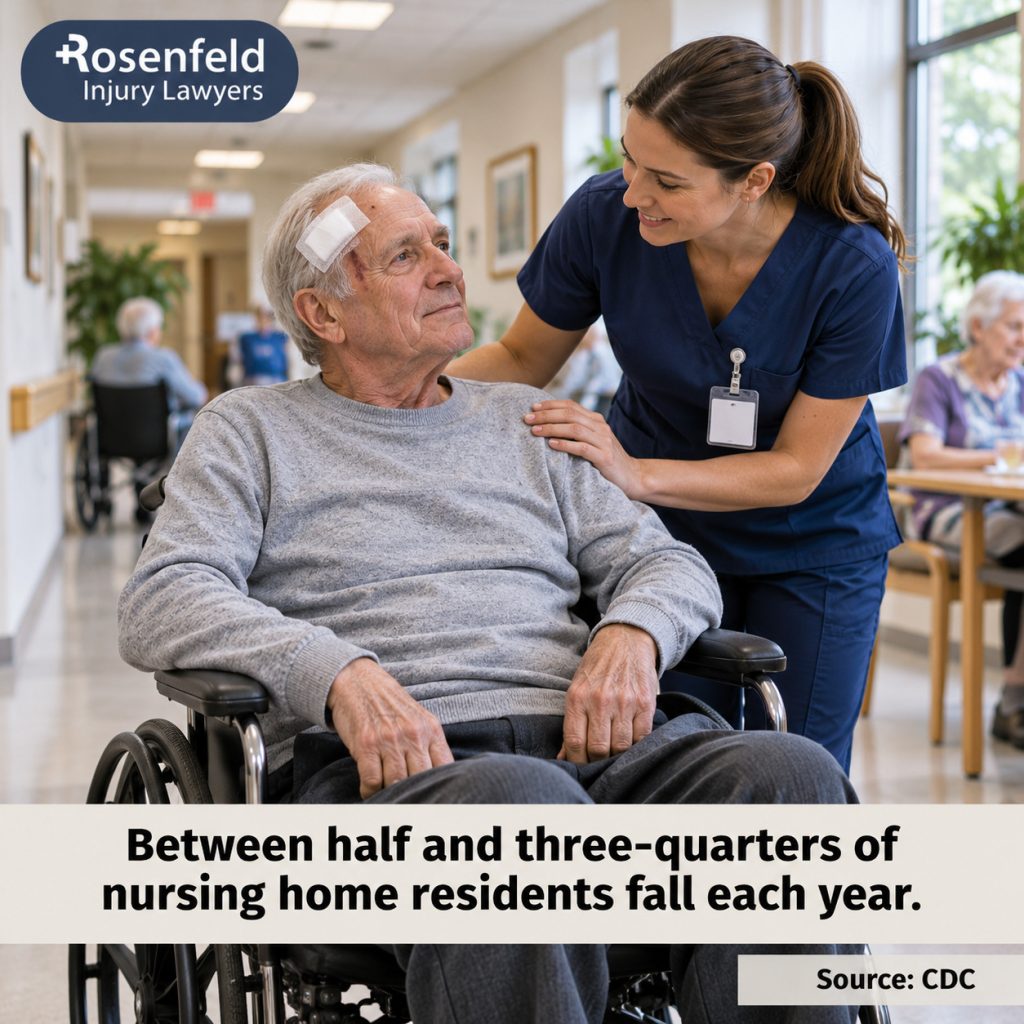
Families searching nursing home fall brain injury long term care costs usually want one answer: who pays, and for how long. The honest answer is layered. Insurance and public programs cover some care, families often cover the gaps, and a claim against a negligent facility may recover the rest.
Why Does a Brain Injury Change the Cost Picture?
A brain injury from a fall can mean ongoing neurological care, cognitive therapy, round-the-clock supervision, and equipment. Those needs may last years, and they can grow if the injury worsens existing conditions.
That is why planning has to look forward. Our page on slip and fall brain injury cases explains how these injuries are documented and why future care is part of the claim.
Who Pays Right Now?
Several sources may contribute at once.
Does Health Insurance or Medicare Cover It?
Health insurance and Medicare generally cover medically necessary hospital care, surgery, and some rehabilitation. Medicare typically does not pay for long-term custodial care, meaning help with daily living, so coverage can run out while care continues. Ask the hospital’s social worker exactly what is approved and for how many days.
Does Medicaid Pay for Nursing Home Care?
Medicaid can pay for nursing home care if the resident meets income, asset, and medical rules. Eligibility is technical and often involves spend-down planning, so many families get help from an elder law attorney before applying.
What About Long-Term Care Insurance and Savings?
A long-term care policy may pay a daily benefit after a waiting period. Otherwise, costs fall on the resident’s savings or the family. Keep every policy document, because benefit triggers often depend on specific wording.
Can the Facility Be Made to Pay?
If negligence caused the fall, such as an ignored fall-risk plan or too little staff, the facility and its insurer can be responsible for the harm. Under the Nursing Home Care Act, 210 ILCS 45, a licensee can be liable to a resident for negligent acts and omissions that cause injury.
A claim can seek compensation for medical bills, future care, pain and suffering, and loss of normal life. Our overview of nursing home slip and fall accidents describes the common causes of these falls.
How Do Lawyers Estimate Future Care?
Future care is not guesswork. A lawyer typically works with doctors and a life care planner, who maps the resident’s likely needs, from therapy to supervision, over their expected lifetime. The plan turns medical opinions into an itemized forecast that the other side must answer.
Without that forecast, early settlement offers tend to cover bills already paid and little else. Once a settlement is signed, you generally cannot reopen it, so timing matters.
What Happens to Medicare and Medicaid Payments?
If public programs paid for the injury, they can seek repayment from any settlement. Those liens must be resolved before the family receives its share, and a lawyer can negotiate them. Ignoring a lien can jeopardize benefits, so tell your lawyer about every payer from the start.
What Should Families Do Now?
Treat paperwork as part of the care. Keep a binder with medical records, bills, insurance letters, and a log of conversations with staff.
- Request the facility’s incident report and care plan in writing.
- Ask each payer what it has covered and what it will not.
- Avoid giving recorded statements to the facility’s insurer.
- Hold off on signing releases until a lawyer has read them.
If you are weighing legal options, the answer to nursing home fall brain injury long term care costs often depends on records you can still gather today.
What Decisions Come Up When a Resident Cannot Decide?
A brain injury can reduce a resident’s ability to manage money, consent to treatment, or speak with lawyers. If the resident named an agent under a power of attorney, that person may be able to act. Without one, a family may need a court-appointed guardian, which takes time and paperwork.
How Does This Affect a Legal Claim?
A representative can often pursue a claim for the resident, but courts may supervise how settlement money is handled. Planning around guardianship, benefits, and any special needs trust is a common part of resolving nursing home fall brain injury long term care costs responsibly.
Which Records Should Families Collect?
Gather the care plan, incident report, imaging results, therapy notes, and every bill. Add a dated daily journal of changes in memory, mood, or speech, since daily detail makes future needs easier to prove. Slip & Fall Injury Lawyers can help organize these into a clear file. Keep copies of every letter you send or receive.
Can Families Seek Help Paying for Care in the Meantime?
Ask the hospital social worker about benefits, charity programs, and community resources while the claim develops. Written approvals and denials also become useful records, and a lawyer can use them to show what the family tried.
Decisions about care are stressful enough without legal deadlines. Slip & Fall Injury Lawyers offers free consultations, and we can review what happened and what a claim might cover. Reach out to our Chicago team when you are ready.
Frequently Asked Questions
Usually not for custodial care. It covers certain skilled care for a limited time after a qualifying hospital stay.
Yes. A claim can include reasonable future medical and care needs, supported by medical opinions and a care plan.
Dementia does not erase a claim. A representative can act for the resident, though proving what the fall caused takes careful medical evidence.
Usually the existing payers and the family. A claim typically resolves later, so keep paying or negotiating bills in the meantime.
Yes. Deadlines vary by claim type, and some run two years from the injury, so confirm the rule early.
Facilities must follow notice rules before discharge. Ask in writing why, and tell your lawyer right away.
No. Early review preserves evidence, and your lawyer can follow the medical picture as it develops.