



Window Washer Fall Accidents: Who’s Liable When a Worker Is Injured


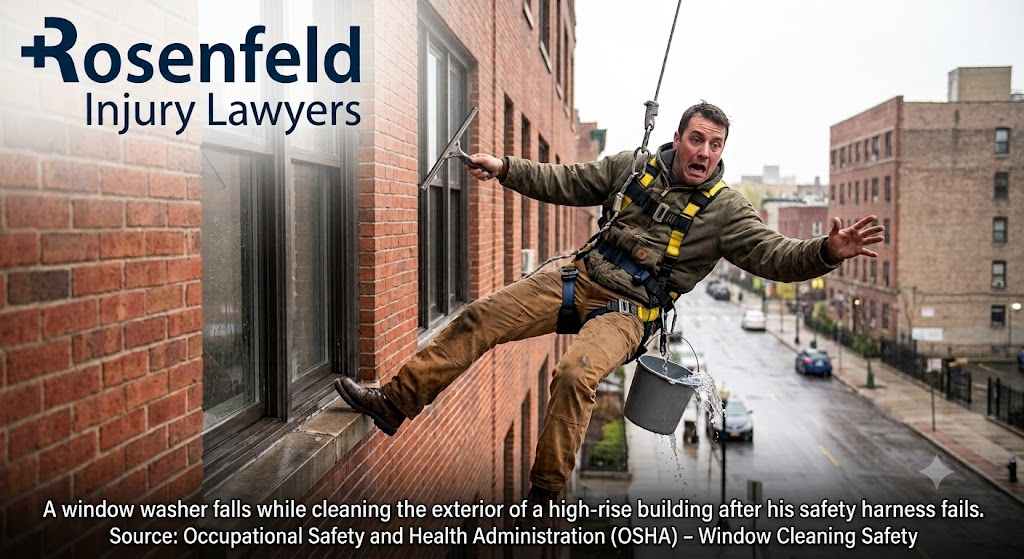
Window washers work suspended well above the ground, often on rigging and equipment they didn’t install and don’t control. When something goes wrong, from a rigging failure to an anchor point that was never properly maintained, the resulting fall raises a different set of legal questions than a typical workplace injury. A window washer accident usually involves more than one potential source of compensation, and knowing both matters.
Workers’ Compensation Comes First, But It Isn’t the Whole Picture
Most injured window washers are covered under the Illinois Workers’ Compensation Act. This no-fault system pays medical costs and a portion of lost wages regardless of who caused the accident. In most situations, an injured worker cannot sue their own employer directly, since workers’ compensation is generally the exclusive remedy against an employer.
That said, Illinois law specifically allows injured workers to pursue a separate claim against a third party whose negligence contributed to the accident, even while workers’ compensation benefits are being paid. This is where a window washer accident can open up more than one path to compensation.
Who Counts as a Third Party in These Cases
A third party is anyone other than your direct employer whose actions or equipment contributed to the fall. In window washing accidents, this often includes the building owner responsible for maintaining rooftop anchor points and tie-off systems, the manufacturer of the rigging, harness, or scaffold equipment if a defect played a role, and a separate contractor involved in installing or inspecting the equipment used.
A building owner who failed to maintain required anchor points, or a rigging manufacturer whose equipment failed under normal use, can both be pursued in a third-party claim that runs alongside, not instead of, a workers’ compensation claim.
Why This Distinction Actually Matters to You
Workers’ compensation generally does not cover pain and suffering, the full extent of lost future earnings, or loss of normal life. A third-party claim can.
This is the real practical difference behind a window washer accident involving more than one potential defendant. Workers’ comp provides immediate, no-fault support. A third-party claim can address the harder, longer-term losses workers’ comp was never designed to cover.
What Causes These Falls Most Often
Rigging and scaffold failures are among the most common causes, often tied to improper assembly, inadequate maintenance, or equipment that wasn’t rated for the job. Weather conditions, including wind and extreme temperatures, also play a significant role in high-rise window-washing work.
Anchor point failures, where the fixed point a worker’s safety line connects to was never properly installed or maintained by the building owner, represent another recurring cause that often points directly at a party other than the worker’s own employer.
Deadlines That Apply to These Claims
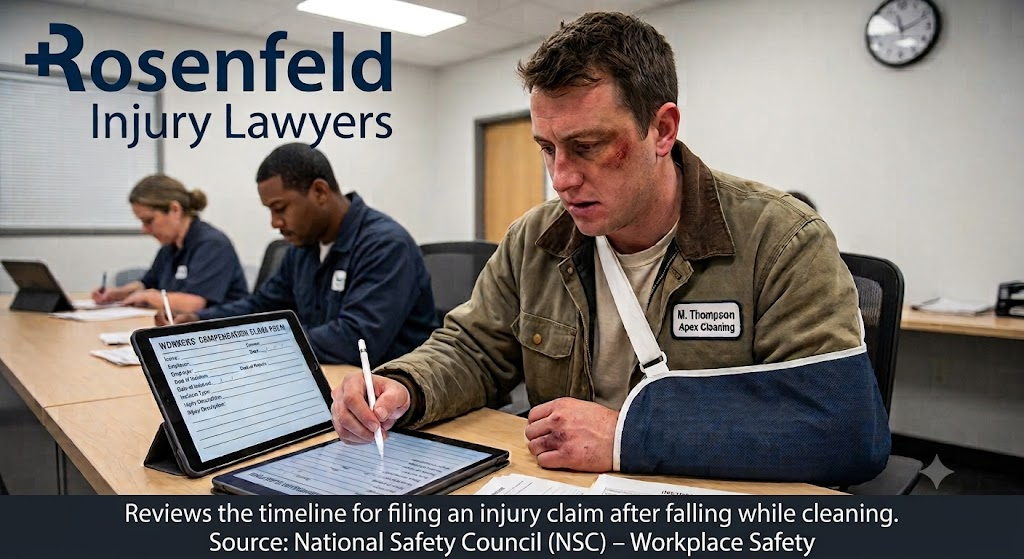
You generally must report a workplace injury to your employer within 45 days to protect your workers’ compensation rights. You must typically file the workers’ compensation claim within three years of the injury, or two years after the last benefit payment, whichever is later.
A separate third-party civil claim follows Illinois’s standard two-year statute of limitations for personal injury. These deadlines run independently, which is why you should evaluate both early rather than assuming one claim covers everything.
What This Means If You Were Hurt
If you were injured in a fall while washing windows, the equipment involved, who owned it, who maintained it, and who installed it all shape what your full claim actually looks like. At Slip & Fall Injury Lawyers, we look beyond the workers’ compensation claim to identify whether a third party’s negligence also played a role.
Frequently Asked Questions:
Generally no, except in narrow circumstances. Workers’ compensation is usually the exclusive remedy against your own employer.
Yes. A third-party claim against someone other than your employer can proceed alongside your workers’ compensation benefits.
A building owner, rigging or scaffold manufacturer, or a separate contractor involved in the equipment can all qualify.
Your employer’s insurer may have a reimbursement right from a third-party recovery, but the claims themselves are separate.
Generally, you have two years from the date of the accident to file a third-party claim, separate from workers’ compensation filing deadlines.
If you were hurt in a workplace fall, Slip & Fall Injury Lawyers can help you understand whether a third party may share responsibility. Contact us to talk through what happened.

Legally Reviewed By
Attorney Jonathan Rosenfeld
The information on this page has been legally reviewed by Attorney Jonathan Rosenfeld, founder and managing partner of Rosenfeld Injury Lawyers LLC, a Chicago-based personal injury law firm. With decades of experience representing individuals injured in slip and fall accidents and other premises liability cases throughout Chicago, Mr. Rosenfeld is dedicated to protecting the rights of injury victims and helping them pursue the maximum compensation available under the law. His extensive legal knowledge and commitment to client advocacy ensure that the information provided is accurate, reliable, and aligned with current legal standards.